Digital Marketing

SEO Best Practices: Tips for Higher Website Rankings

Achieving higher rankings in search engine results is essential for increasing visibility and driving organic traffic to your website. Implementing SEO best practices can significantly enhance your site’s performance. Here are 15 effective strategies to improve your website rankings:
SEO best practices

15 SEO Best Practices

The following SEO best practices will help your website rank higher in search engine results pages.

1. Conduct Keyword Research

Conducting thorough keyword research is crucial for identifying the terms your target audience is searching for. Use tools like Google Keyword Planner or SEMrush to find high-volume, low-competition keywords. Incorporate these keywords naturally into your content to align with user intent and boost your rankings.

2. Optimize On-Page Elements

On-page optimization involves adjusting title tags, meta descriptions, and header tags to include primary keywords. Ensure that these elements accurately reflect your content while appealing to users. A well-optimized page helps search engines understand its relevance and improves click-through rates from search results. A top SEO expert can provide valuable insights and assistance with optimizing these elements.

3. Create Quality Content

Producing high-quality, engaging content is essential for attracting and retaining visitors. Focus on delivering value by answering users’ questions and addressing their needs. Original, well-researched content that is informative and relevant can lead to higher rankings and increased user trust.

4. Improve Page Load Speed

Page load speed is a critical factor for user experience and search rankings. Use tools like Google PageSpeed Insights to identify elements that slow down your site. Optimize images, leverage browser caching, and minimize code to enhance loading times, thereby reducing bounce rates.

5. Use Responsive Design

A responsive web design ensures that your site functions well on all devices, especially mobile. With mobile traffic on the rise, a mobile-friendly site improves usability, engagement, and overall satisfaction. Search engines prioritize mobile-friendly websites, making responsive design vital for rankings.

6. Implement Internal Linking

Internal linking helps users navigate your site while distributing page authority throughout. Use descriptive anchor text to link related content, guiding visitors to explore more. This not only enhances user experience but also improves the SEO value of your site’s pages.

7. Optimize for Local SEO

For businesses targeting local customers, optimizing for local SEO is essential. Claim your Google My Business listing, use local keywords, and encourage customer reviews. This increases visibility in local searches, helping you connect with potential customers in your area and driving foot traffic.

8. Leverage Social Media

Promoting your content on social media platforms can significantly enhance visibility and traffic. Engage with your audience by sharing valuable insights and updates. The more shares and interactions your content receives, the more likely it is to attract backlinks and improve search rankings.

9. Build High-Quality Backlinks

Acquiring backlinks from reputable websites is crucial for establishing authority and credibility. Focus on creating valuable content that others want to link to. Guest posting, partnerships, and outreach can help you earn high-quality backlinks, positively impacting your site’s rankings.

10. Utilize Alt Text for Images

Adding descriptive alt text to images improves accessibility and helps search engines understand the content. Alt text should accurately describe the image while incorporating relevant keywords. This practice enhances the potential for ranking in image searches and improves overall SEO.

11. Create a Sitemap

A sitemap is a blueprint of your website that helps search engines crawl and index your pages effectively. Create an XML sitemap and submit it to search engines like Google. This ensures that all your content is discoverable, which can improve search visibility.

12. Monitor and Analyze Performance

Regularly monitoring your website’s performance is essential for optimizing your SEO strategy. Use tools like Google Analytics and Search Console to track organic traffic, user behavior, and keyword rankings. Analyzing these metrics helps identify areas for improvement and guides future content creation.

13. Update Content Regularly

Keeping your content fresh is vital for maintaining rankings. Regularly update older posts with new information, insights, or statistics. Search engines favor updated content, and refreshing your site helps ensure that users receive the most accurate and relevant information.

14. Utilize Schema Markup

Schema markup enhances search engine understanding of your content by providing additional context. Implementing structured data can lead to rich snippets in search results, increasing visibility and click-through rates. Use schema to mark up reviews, events, and other relevant information to improve rankings.

15. Focus on User Experience

Prioritizing user experience is essential for retaining visitors and reducing bounce rates. Ensure easy navigation, clear calls to action, and valuable content that meets user needs. A positive user experience leads to higher engagement, which search engines reward with better rankings.

Final Thoughts on the SEO Best Practices

Implementing these SEO best practices can significantly enhance your website’s visibility and rankings in search engine results. By focusing on quality content, optimization techniques, and user experience, you can drive organic traffic and achieve your digital marketing goals. Start applying these tips today and watch your website climb the search engine rankings!

About the Author

The author has extensive experience in the web design industry, having worked with numerous clients over the years. Visit his blog for valuable insights into web design, SEO, and various aspects of digital marketing.

Web design

Benefits of Choosing Web Design Services in Bangalore for Your Website

In the digital age, a powerful online presence is imperative for businesses of all sizes and industries. A well-designed website is often the first point of contact between a company and its potential customers. In this context, Bangalore, the Silicon Valley of India, has emerged as a hub for web design services in Bangalore, offering a multitude of advantages for businesses looking to establish or enhance their online presence.

web design services bangalore

Top Advantages of Choosing Web Design Services in Bangalore

1.     Technical Expertise:

Bangalore, with its thriving IT ecosystem, is home to a pool of highly skilled and technically proficient web designers. Choosing web design services in Bangalore ensures that your website is crafted by professionals who are well-versed in the latest technologies, trends, and best practices. This technical expertise translates into a website that is not only visually appealing but also functional, responsive, and capable of meeting the demands of modern online users.

2.     Innovative Designs:

Web design is not just about creating visually attractive websites; it’s about creating an immersive and memorable user experience. Bangalore-based web designers are known for their innovative approach to design. They understand the importance of standing out in the crowded online space and employ creative solutions to make your website visually appealing, engaging, and unique. This creativity can be a crucial factor in capturing the attention of your target audience.

3.     Customization and Flexibility:

Every business is unique, and so should be its website. Bangalore-based web design services emphasize customization and flexibility, tailoring websites to the specific needs and goals of each client. Whether you’re a startup looking for a simple yet impactful web presence or an established enterprise with complex requirements, web designers in Bangalore can adapt their services to suit your business objectives.

4.     Cost-Effectiveness:

While quality web design services are often associated with high costs, Bangalore offers a competitive advantage in terms of affordability. The city’s cost-effective environment allows businesses to access top-notch web design services without breaking the bank. This makes Bangalore an attractive destination for companies seeking a high return on investment in their web development projects.

5.     SEO Optimization:

A visually appealing website is only effective if it is discoverable by search engines. Bangalore-based web designers understand the importance of Search Engine Optimization (SEO) in driving organic traffic to your website. They integrate SEO best practices during the design and development process, ensuring that your website ranks well in search engine results and reaches a wider audience.

6.     Timely Delivery:

In the fast-paced business environment, time is of the essence. Bangalore’s web design services are known for their efficiency and timely delivery. The city’s work culture, combined with a dedication to meeting deadlines, ensures that your website is launched within the stipulated timeframe. This prompt delivery can be a crucial factor in gaining a competitive edge in the online market.

Conclusion of Advantages of Choosing Web Design Services in Bangalore

Choosing web design services in Bangalore is a strategic decision that can significantly impact the success of your online presence. The technical expertise, innovative designs, customization options, cost-effectiveness, SEO optimization, and timely delivery offered by Bangalore-based web designers make them an excellent choice for businesses looking to create a powerful and effective website. As the digital landscape continues to evolve, a well-designed website is not just a luxury but a necessity, and Bangalore stands as a reliable partner in achieving your online goals.

About the Author

The author has been a website content writer at a leading company see their website.

Digital Marketing

SEO Fundamentals: A Guide for Beginners

In an age where the internet reigns supreme as the go-to source for information, products, and services, standing out in the digital crowd has become more crucial than ever. This is where Search Engine Optimization, or SEO, emerges as a pivotal force. SEO is the art and science of making your digital presence not just visible but also prominent in the vast expanse of the internet. Before diving into the depths of what SEO entails, it’s essential to understand its significance and how it has revolutionized the way businesses and individuals interact with the online world. So, let’s embark on a journey to unravel the mysteries of SEO, its fundamental principles, and why it has become an indispensable tool for success in the digital realm.

seo fundamentals

What is SEO?

Search Engine Optimization, commonly referred to as SEO, is a digital marketing discipline that focuses on improving a website’s visibility in search engine results. It involves a series of strategies and techniques designed to enhance a website’s rankings on search engine results pages (SERPs). In simpler terms, SEO is about making your website more appealing to search engines like Google, Bing, and Yahoo so that it ranks higher when users search for relevant keywords.

Why Is SEO Important?

SEO is essential for several compelling reasons:

1. Increased Visibility: Higher search engine rankings mean more visibility for your website. When your site appears near the top of search results, users are more likely to click on it, increasing the likelihood of attracting organic traffic.

2. Credibility and Trust: Websites that rank well in search results are often seen as more trustworthy and credible by users. High rankings signal that search engines consider your content valuable and relevant.

3. Cost-Effective Marketing: Compared to paid advertising, SEO is a cost-effective long-term marketing strategy. Once your website ranks well for specific keywords, you can continue to attract organic traffic without ongoing ad expenses.

4. Targeted Traffic: SEO allows you to target specific keywords and demographics, ensuring that the visitors coming to your site are genuinely interested in your products or services.

5. Competitive Advantage: In today’s digital landscape, most of your competitors are likely investing in SEO. By staying ahead in search rankings, you gain a competitive edge in your industry.

seo basics

On-Page SEO: Optimizing Your Web Content

On-page SEO focuses on fine-tuning individual web pages to improve their search engine rankings and enhance user experience. Here’s a closer look at the key components of on-page SEO:

1. Keyword Research and Usage: The foundation of on-page SEO begins with extensive keyword research. Identify relevant keywords and phrases that your target audience is likely to search for. Once you’ve compiled your list, strategically incorporate these keywords into your content, including titles, headings, and throughout the body text. However, be sure to maintain a natural and user-friendly tone to ensure a positive user experience.

2. High-Quality Content: Content is king in the world of SEO. Create informative, engaging, and valuable content that addresses the needs and questions of your target audience. High-quality content not only attracts visitors but also encourages them to spend more time on your site, reducing bounce rates.

3. Title Tags and Meta Descriptions: Craft compelling title tags and meta descriptions that include your target keywords. These elements often appear in search results and can significantly influence click-through rates. A well-crafted title and meta description can entice users to click on your link.

4. Header Tags (H1, H2, H3, etc.): Properly structure your content using header tags. These tags not only improve the readability of your content but also help search engines understand the hierarchy and importance of different sections within your page.

5. Optimized Images: When using images, ensure they are optimized for SEO. Use descriptive file names and alt tags for images to make them search engine-friendly. This practice not only helps with accessibility but also enhances your page’s search engine ranking.

6. Page Speed: Website speed is crucial for SEO. Ensure that your website loads quickly on both desktop and mobile devices. Slow-loading pages can negatively impact user experience and, consequently, your search engine rankings.

Off-Page SEO: Building Authority and Trust

Off-page SEO involves activities that aim to build your website’s authority and credibility in the digital landscape. Here are the key elements of off-page SEO:

1. Backlinks: Acquiring high-quality backlinks from reputable websites is a cornerstone of off-page SEO. These backlinks act as votes of confidence in your content and can significantly boost your rankings. Strategies for earning backlinks include outreach, guest posting, and creating shareable content.

2. Social Signals: Although not a direct ranking factor, a strong social media presence and engagement can indirectly impact SEO. Active social media profiles can drive traffic to your site and encourage content sharing, which can improve your site’s visibility.

3. Online Reputation Management: Monitor and manage your online reputation to ensure that negative reviews and mentions don’t harm your website’s credibility. Respond to reviews and address concerns to maintain a positive online image.

4. Local SEO: For businesses with physical locations, local SEO is crucial. Ensure that your business is listed accurately on platforms like Google My Business. Local SEO efforts can improve your visibility in location-based searches.

what is seo

Technical SEO: The Backbone of Your Website

Technical SEO focuses on the backend aspects of your website that impact its search engine performance, including conducting regular SEO audits. Here are the fundamental elements of technical SEO:

1. Website Structure: Ensure that your website has a clear and logical structure. This includes an XML sitemap that helps search engines crawl and index your site effectively.

2. Mobile-Friendliness: With the majority of internet users accessing websites via mobile devices, having a responsive design is crucial for SEO success. Ensure that your site is mobile-friendly and provides a seamless experience on smartphones and tablets.

3. Website Speed: Page load speed is a critical factor in SEO. Optimize images, use efficient coding practices, and leverage content delivery networks (CDNs) to improve your site’s loading times.

4. Robots.txt and XML Sitemap: Use robots.txt files to instruct search engines on which parts of your site should and should not be crawled. Additionally, submit an XML sitemap to search engines to help them understand your site’s structure and content.

5. HTTPS: Secure your website with HTTPS. Search engines favor secure sites, and HTTPS is considered a ranking signal. It also enhances user trust and data security.

6. Canonicalization: Implement canonical tags to specify the preferred version of duplicate content. This helps prevent issues with duplicate content, which can negatively impact SEO.

By addressing these technical aspects of SEO, you can ensure that your website is not only user-friendly but also search engine-friendly, which is essential for achieving high rankings in search results.

on page seo

Summary of SEO Fundamentals

SEO fundamentals encompass understanding what SEO is, recognizing its importance, and mastering the basics of on-page and off-page optimization. By implementing these strategies, you can enhance your website’s visibility, attract more organic traffic, and establish a strong online presence. SEO is an ever-evolving field, so staying updated on the latest trends and best practices is essential for long-term success in the digital landscape.

Related Links:

https://backlinko.com/hub/seo/fundamentals

https://neilpatel.com/what-is-seo/

https://www.rankpointer.com/seo-audit-complete-guide/

https://moz.com/beginners-guide-to-seo

https://www.freelancewebdesigner.biz/seo-expert-hyderabad/

https://yoast.com/what-is-seo/

Digital Marketing

10 Ways to Increase Online Visibility for Your Small Business

Why does your website not rank among Google’s top 10? Why doesn’t your modest business have an internet presence?

Many individuals are unaware of how difficult it is to operate an online enterprise. Obtaining business listings and achieving a high ranking for one’s website are not simple tasks.

If you have a website, you have completed the most difficult step. The subsequent phase is to market your company to prospective customers and clients.

The internet is an interconnected “web” of information. Visibility is becoming increasingly essential for small and medium-sized businesses (SMBs) as the number of websites, people, and businesses competing for attention increases.

Here are ten ways businesses can increase their online visibility and spread their message.

online visibility

10 Ways Small Businesses Can Get Better Online Visibility

You may need to implement several of these strategies simultaneously to determine which is most effective, but they should all increase your online visibility.

Optimize Your Website for Search Engines

Search engines such as Google and Bing are the primary source of traffic to the majority of websites. It is essential to optimise your website for search engines for this reason.

At its core, optimisation involves producing content that is simple for search engines to comprehend and index. This involves utilising keywords that individuals use when browsing for products and services similar to yours.

It also involves using a variety of content categories, such as images, video, audio, and text, so that search engines can correctly classify your website.

Get Your Business Listed on Search Engines

Most online searches begin with a search engine, and they’re one of the first locations people visit when looking for a business. Having your business listed on search engines will increase exposure and traffic to your website.

Google My Business (GMB) is a free Google tool that enables you to create and administer a Google Maps listing for your business. You can accomplish this by submitting a listing request to each of them (Google and Yahoo allow you to submit multiple listings at once).

The greater the number of online locations where your business appears, the better off you will be when potential consumers search for your business type or location.

Invest in Local SEO

Local search engine optimisation is crucial to digital marketing because it increases the visibility of a business in the physical world. Local SEO involves optimising your website for Google Maps and other local search results, such as Yelp and Foursquare.

Potential customers seeking local businesses like yours may first consult these platforms; therefore, you must have a presence.

It is an effective method for increasing visibility because the majority of consumers prefer to purchase locally, particularly if they have concerns about the product or service and require an immediate response.

online visibility guide

Create Website Content People Want to Read

The content strategy you select for your company’s website will have a significant impact on its performance. What’s the purpose of writing the world’s most beautiful prose if nobody wants to read it?

It makes sense to write blog posts about pregnancy and parenting if you offer baby products and accessories. However, if you sell office supplies, you would be better off writing about workplace productivity or small business management.

Get Social Media Accounts

Ensure that your social media accounts contain links to your website or blog so that people can readily learn more about your business and how to get involved.

Twitter, Instagram, Facebook, and LinkedIn enable users to share information about their passions and interests. By frequently sharing helpful advice, businesses can establish themselves as experts or thought leaders within a niche or industry on these platforms.

Start Guest Blogging

Guest blogging is a traditional method for increasing online visibility. Consider websites with a similar audience, with comparable interests and needs.

If you operate a pet grooming business, for instance, you should target sites that cater particularly to dog or cat owners rather than general pet blogs where you would be competing with a variety of other topics.

Do not randomly select an opportunity from the selection of available options. Take the time to determine which bloggers in your niche have been successful in the past and why, and then contact them directly as opposed to sending out applications indiscriminately.

small business visibility

Create Videos for Your Business

It has been demonstrated that video marketing increases brand awareness, consumer engagement, and sales. Create videos demonstrating what your business does best, such as customer testimonials, how-to guides for a product or service, or even behind-the-scenes footage of how your business operates.

These recordings can be posted on YouTube.

Live streams can be utilised at conferences, seminars, product launches, industry events, and any other gathering where people are interested in learning more about your work or providing feedback on how to do it better.

Advertise on Social Media

Social media platforms such as Twitter, Facebook, Instagram, and Pinterest enable users to interact with one another through posts, remarks, and photo and video sharing.

With the assistance of a marketing operations consultant, businesses can use these platforms to raise awareness of their products and services while engaging with consumers directly through social media marketing campaigns.

Many social networks allow you to exhibit products or services directly on their platform, so if they are available for your niche, investigate Facebook Shop and Pinterest Business pages.

Email Marketing

Email marketing enables you to strengthen your relationship with your audience by delivering relevant content at their convenience. It helps you remain in people’s minds and encourages them to act in response to your messages.

Set up a newsletter or blog email list by including an opt-in form on your website for customers to sign up for your communications.

Your subject line will initially inform recipients whether they should open or dismiss your email. Ensure that it is concise and descriptive so that subscribers know what to expect before they open your message.

Your call to action can be anything, including an offer for a discount or freebie, an invitation to obtain a resource or share content on social media, etc., but it must be clear and concise.

Track Your Marketing Progress and Adjust Accordingly

Your marketing strategy should include tracking your progress and adjusting parameters so that you do not squander time or money on ineffective strategies or campaigns that are not achieving their objectives.

Invest in paid advertising through Google Adwords to appear at the top of search results when people seek for services similar to yours. It’s also simple to monitor how much you’re spending on each advertising campaign, so you don’t waste money on ads that don’t generate leads or sales.

Simply alter your bids based on performance and reduce them.

search visibility

Summary of Tips to Increase Online Visibility

Here, we’ve compiled a list of prominent online visibility and presence-enhancing strategies for small businesses. Moreover, you have likely contemplated many of these strategies before – and for good reason.

Many potential consumers are lost if your business is not listed on directory sites, and search engine optimisation can be difficult to implement without a robust social media presence.

You don’t have to implement all of these strategies simultaneously; you can start with one or two, observe how they perform, and then progress on to the others.

The outcome? Your modest business will benefit significantly from a more robust online presence!

Related Links:

https://www.semrush.com/kb/973-check-online-visibility

https://www.webdesigncochin.in/ultimate-guide-to-google-my-business/

https://ahrefs.com/seo/glossary/search-visibility

https://www.searchenginejournal.com/local-seo/

https://www.pixelsolvent.com/seo-company-bangalore/

https://moz.com/help/moz-pro/rankings/search-visibility

Digital Marketing

How Does Off Page SEO Help Businesses?

In the vast and competitive landscape of the internet, achieving a prominent online presence is a priority for businesses and individuals alike. This is where Search Engine Optimization (SEO) comes into play, acting as a catalyst to enhance your website’s visibility and authority. While on-page SEO focuses on optimizing the content and structure of your website, off-page SEO ventures beyond your site’s boundaries to establish your credibility and reputation across the digital realm. In this article, we will delve into the world of off-page SEO and explore how it contributes to your online success.

off page seo

Understanding Off-Page SEO

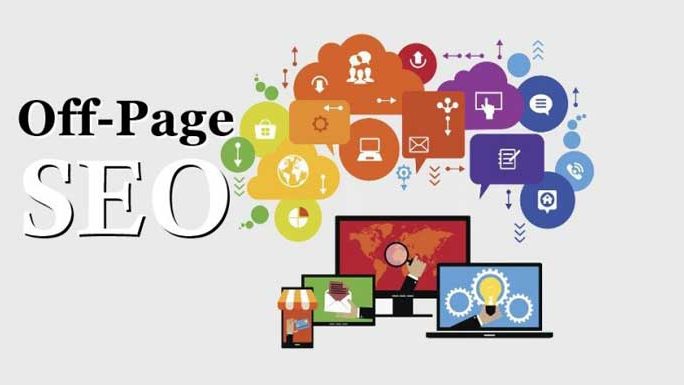
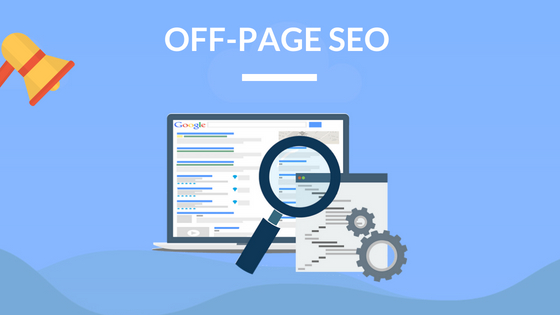
Off-page SEO, often referred to as “off-site SEO,” involves strategies and activities that take place outside of your website but have a direct impact on its search engine rankings and overall online reputation. Unlike on-page SEO, which deals with factors within your control, off-page SEO involves external signals that search engines use to evaluate the credibility and relevance of your website. The primary objective of off-page SEO is to build high-quality backlinks, establish your brand’s authority, and create a positive online reputation.

The Power of Backlinks

At the heart of off-page SEO lies the concept of backlinks. Backlinks, also known as inbound links or incoming links, are hyperlinks from external websites that direct users to your own site. Search engines like Google consider backlinks as votes of confidence from other websites, indicating that your content is valuable and worthy of referencing. The quality and relevance of these backlinks play a crucial role in determining your website’s authority and position in search results. The more authoritative and relevant the linking websites are, the more impact the backlinks will have on your off-page SEO efforts.

Benefits of Off-Page SEO

1. Enhanced Authority and Trust:

Building a network of high-quality backlinks from authoritative websites contributes to your website’s authority and trustworthiness. When reputable sites link to your content, search engines perceive your site as a valuable resource. This authority translates into a higher likelihood of ranking well in search results, as search engines prioritize content that is backed by trusted sources. Users are also more likely to trust your content and recommendations when they see that respected websites endorse your content through backlinks.

2. Improved Search Engine Rankings:

Backlinks remain a fundamental ranking factor for search engines. The number and quality of backlinks signal the relevance and popularity of your content. As you acquire more authoritative backlinks, search engines recognize your content as valuable and deserving of higher rankings. This increased visibility drives organic traffic to your site, offering a greater opportunity to engage with potential customers.

3. Increased Organic Traffic:

A strong off-page SEO strategy leads to higher search engine rankings, which, in turn, increases the visibility of your content. This heightened visibility drives organic traffic to your website as users are more likely to click on links that appear on the first page of search results. Quality backlinks create pathways for users to discover your content through various online channels, leading to a consistent flow of targeted visitors.

off page seo services

4. Brand Exposure and Recognition:

Engaging in off-page SEO activities like guest blogging, social media interactions, and influencer collaborations exposes your brand to a wider audience. These efforts help create a recognizable online presence, enhancing brand recognition. As users encounter your brand across different platforms and authoritative sources, they develop familiarity and trust, increasing the likelihood of them engaging with your content or making a purchase.

5. Referral Traffic:

The impact of backlinks isn’t limited to search engine algorithms; they also serve as direct pathways for referral traffic. Users who click on backlinks from other websites are directed to your content, driving relevant and engaged visitors to your site. This referral traffic is valuable as it comprises users who are already interested in your niche or industry, increasing the chances of conversions and engagement.

6. Diversified Online Presence:

Engaging in off-page SEO activities diversifies your online footprint. By participating in industry-related discussions, contributing to forums, and collaborating with influencers, you broaden your reach beyond your website. This diversified presence not only strengthens your brand’s authority but also increases the likelihood of users encountering your content in different online spaces.

off page seo strategies

Off-Page SEO Strategies

1. Link Building:

Focus on obtaining high-quality, relevant backlinks from authoritative websites in your industry. Natural link-building practices involve creating valuable content that others naturally want to link to.

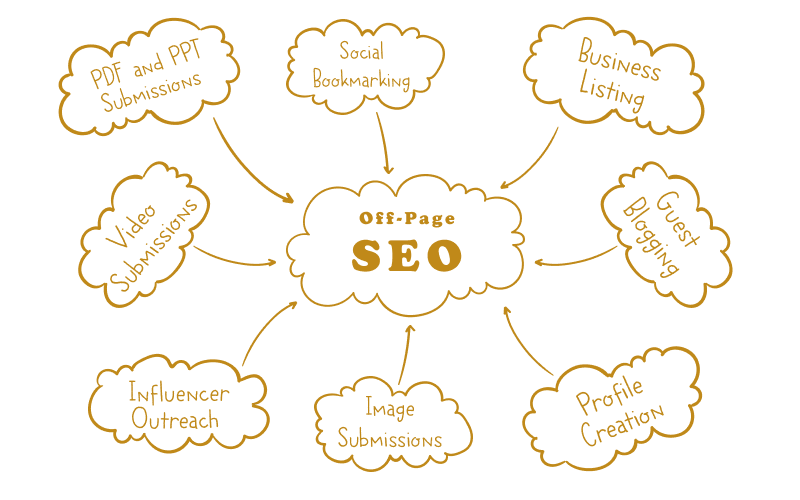
2. Guest Blogging:

Contribute guest posts to authoritative blogs in your niche. In return, you earn a backlink to your website and establish yourself as an expert in your field.

3. Social Media Engagement:

Active participation on social media platforms helps you connect with your audience, share your content, and attract engagement and shares, potentially leading to more backlinks.

4. Influencer Outreach:

Collaborate with influencers or thought leaders in your industry. Their endorsement can lead to exposure and valuable backlinks.

5. Online Communities and Forums:

Participate in online forums and communities related to your niche. By providing valuable insights and answering questions, you position yourself as an authority and gain backlinks from forum discussions.

off site seo

How does off page SEO help – Summary

Off-page SEO is an indispensable part of your overall SEO strategy, driving credibility, authority, and visibility for your website. The art of acquiring high-quality backlinks and building a positive online reputation requires consistent effort and engagement across various platforms. By strategically focusing on off-page SEO techniques, you can establish your brand as a trusted source of information, improve your search engine rankings, and ultimately achieve a robust online presence that captivates your target audience. Remember, in the world of SEO, the journey to success is a multifaceted one that combines both on-page and off-page efforts.

Useful Links:

https://blog.hubspot.com/marketing/off-page-seo

https://www.rankpointer.com/keyword-research-in-depth-guide-for-beginners/

https://www.semrush.com/blog/off-page-seo/

https://www.semrush.com/blog/off-page-seo/

https://www.webdesigncochin.in/seo-ernakulam-kerala/

https://yoast.com/off-page-seo/

Digital Marketing

How to Develop a Content Marketing Plan

Content marketing has emerged as a powerful strategy for businesses to communicate with their target audience, increase brand awareness, and increase engagement in the digital era. However, producing arbitrary pieces of content is not sufficient for a successful content marketing campaign. It requires a methodical and strategic approach. In this article, we will walk you through the process of creating a content marketing plan that correlates with your business objectives and resonates with your target audience.

content marketing plan

Steps to Develop a Content Marketing Plan

Here are the important steps to develop a content marketing plan.

1. Define Your Goals and Objectives

Before diving into content creation, it’s crucial to define clear goals and objectives for your content marketing plan. Determine what you want to achieve with your content efforts. Are you aiming to increase brand awareness, drive website traffic, generate leads, boost sales, or establish thought leadership? Your goals will guide the entire content strategy, helping you create content that aligns with your business objectives. Setting measurable goals ensures that you can track the effectiveness of your content marketing efforts and make informed decisions based on data.

2. Identify Your Target Audience

Understanding your audience is at the heart of effective content marketing. Create detailed buyer personas that represent your ideal customers. These personas should include demographic information, pain points, challenges, motivations, and behaviors. By deeply understanding your target audience, you can tailor your content to address their specific needs and interests. This personalized approach not only captures their attention but also builds a stronger emotional connection. Whether you’re speaking to B2B professionals or consumers, aligning your content with your audience’s preferences enhances engagement and drives better results.

3. Conduct Competitor Analysis

Analyzing your competitors’ content strategies provides valuable insights into your industry landscape. Study the types of content they produce, the platforms they use, and their engagement levels. Identify content gaps or opportunities that you can capitalize on. While it’s important to learn from competitors, aim to differentiate yourself by offering unique perspectives and innovative content ideas. This analysis helps you identify areas where you can stand out, refine your content strategy, and capture the attention of your target audience effectively.

4. Choose Content Types and Formats

Diversifying your content types and formats ensures that you cater to different preferences and consumption habits. Consider a mix of blog posts, videos, infographics, podcasts, ebooks, webinars, and more. The variety of formats allows you to convey your message in engaging ways and capture the attention of diverse audiences. For example, visual learners might prefer infographics or videos, while those seeking in-depth information might prefer ebooks or long-form articles. By offering a range of content formats, you can meet your audience where they are and deliver a more immersive and satisfying experience.

content marketing strategy

5. Plan Content Topics and Themes

Develop a list of relevant and valuable content topics based on your audience’s interests and pain points. Address common questions or challenges they face in your industry. Create themes that align with your brand’s expertise and values. Organize these topics into a content calendar, scheduling when each piece of content will be published. This systematic approach ensures a consistent flow of content and helps you maintain a steady online presence. The content calendar allows you to plan ahead, allocate resources effectively, and avoid last-minute content creation.

6. Develop a Content Calendar

A well-structured content calendar acts as a roadmap for your content marketing activities. It outlines the schedule for content creation, publication, and distribution. Include essential details such as publication dates, content formats, targeted platforms, and responsible team members. By having a clear content calendar, you ensure that your content is released consistently, avoiding gaps or overlaps in your publishing schedule. This level of organization enhances efficiency, helps teams collaborate effectively, and provides a clear overview of your content strategy’s execution.

7. Create High-Quality Content

Quality should be a top priority in your content marketing plan. Craft content that is informative, valuable, and engaging for your audience. Well-researched articles, visually appealing graphics, professional videos, and compelling storytelling contribute to your brand’s credibility and authority. Investing in high-quality content not only captures the attention of your audience but also encourages them to share, comment, and take action. Quality content reflects positively on your brand and positions you as a trusted source of information in your industry.

8. Optimize for SEO

Search engine optimization (SEO) is essential for ensuring that your content gets discovered by your target audience. Incorporate relevant keywords naturally into your content, headings, meta descriptions, and image alt text. Follow on-page SEO best practices to enhance the visibility of your content on search engine results pages (SERPs). By optimizing your content for SEO, you increase the likelihood of attracting organic traffic and reaching users actively searching for information related to your industry or offerings.

content marketing

9. Promote and Distribute

Creating great content is only half the battle; effectively promoting and distributing it is equally important. Share your content across various channels, such as your website, social media platforms, email newsletters, and relevant online communities. Craft attention-grabbing headlines and captions that resonate with your audience. You can also consider using paid advertising to amplify your content’s reach. Effective promotion ensures that your content reaches the right people, maximizing its impact and engagement.

10. Monitor and Analyze

Regularly monitor the performance of your content marketing efforts using analytics tools. Track metrics such as website traffic, page views, engagement rates, conversion rates, and social shares. Analyze these metrics to gain insights into which content pieces are resonating with your audience and driving results. By understanding what’s working and what’s not, you can make informed decisions to optimize your content strategy. Monitoring and analyzing data empowers you to refine your approach, focus on high-performing content, and continually improve your content marketing efforts.

11. Iterate and Improve

Use the insights gathered from your performance analysis to refine your content marketing strategy. Identify trends, topics, and formats that consistently perform well. Adapt your content calendar and strategy accordingly to capitalize on these findings. Embrace a culture of continuous improvement, where you’re open to experimenting with new ideas, learning from your successes and challenges, and adjusting your strategy to meet changing audience preferences and market dynamics. This iterative approach ensures that your content marketing plan remains effective and aligned with your goals over time.

content marketing strategies

Guide to Develop a Content Marketing Plan – In a Nutshell

Developing a comprehensive content marketing plan requires careful consideration of each step in the process. By setting clear goals, understanding your audience, analyzing competitors, diversifying content formats, planning topics, creating a content calendar, prioritizing quality, optimizing for SEO, promoting effectively, monitoring performance, and iterating your strategy, you can create a robust content marketing strategy that not only engages your target audience but also achieves tangible business outcomes. Remember that content marketing is an ongoing journey that requires adaptability and continuous improvement to stay ahead in the ever-evolving digital landscape.

Reference Links:

https://blog.hubspot.com/marketing/content-marketing-strategy-guide

https://www.freelancewebdesigner.biz/content-marketing-the-ultimate-guide/

https://moz.com/beginners-guide-to-content-marketing/content-strategy

https://neilpatel.com/blog/content-strategy-a-development-guide/

https://www.rankpointer.com/content-marketing-agency-india/

https://en.wikipedia.org/wiki/Content_marketing

Digital Marketing

Why Digital Marketing is the Key to Success for Your Business?

In today’s rapidly evolving business landscape, the significance of digital marketing in driving success cannot be overstated. As technology continues to reshape the way we interact, communicate, and conduct business, leveraging digital marketing strategies has become essential for businesses of all sizes. This article delves into the 15 key reasons why digital marketing is important for achieving business growth, brand recognition, and overall success.

Importance of Digital Marketing for Your Business

Here are the main benefits of digital marketing for businesses.

1. Global Reach and Targeted Audience

Digital marketing provides an unprecedented opportunity to expand your reach globally while precisely targeting your desired audience. Through platforms like social media, search engines, and display advertising, you can tailor your marketing efforts to reach specific demographics, behaviors, and interests. This targeted approach minimizes wasted resources and maximizes the impact of your campaigns, ensuring that your message resonates with those most likely to engage and convert.

2. Cost-Effectiveness

Compared to traditional marketing methods, digital marketing offers a cost-effective avenue for promoting your products and services. With varying budget sizes, you can create and deploy campaigns on channels such as social media, pay-per-click (PPC) advertising, and email marketing. These strategies allow you to allocate your resources strategically, ensuring that your marketing efforts yield a higher return on investment (ROI) and contribute to your bottom line.

3. Measurable Results

One of the major advantages of digital marketing is its measurability. Through analytics tools, you can track and measure key performance indicators (KPIs) in real-time. Metrics like website traffic, click-through rates, conversion rates, and engagement levels provide actionable insights into the effectiveness of your campaigns. This data-driven approach empowers you to refine your strategies, optimize your efforts, and allocate resources where they yield the best results.

4. Enhanced Customer Engagement

Digital marketing fosters direct and meaningful interactions with your customers. Platforms like social media, live chat, and personalized email campaigns enable real-time engagement, allowing you to address queries, provide support, and build rapport. This engagement not only strengthens customer relationships but also aids in understanding their needs and preferences, leading to better-tailored marketing efforts.

5. Building Brand Identity

Establishing a consistent and memorable brand identity is crucial in a competitive market. Digital marketing enables you to showcase your brand’s personality, values, and story through various content formats. By curating visually appealing graphics, sharing authentic narratives, and maintaining a consistent tone across different platforms, you can create a lasting impression that resonates with your audience.

6. Flexibility and Agility

Digital marketing’s inherent flexibility allows you to adapt swiftly to changes in the market and consumer behavior. Unlike traditional campaigns, which may take longer to adjust, digital strategies can be tweaked in real-time. This agility is especially valuable in responding to trends, capitalizing on emerging opportunities, and staying ahead of competitors.

7. Access to Data and Insights

Digital marketing platforms generate a wealth of data that can inform your business decisions. Analyzing customer behaviors, preferences, and purchasing patterns provides actionable insights into market trends. This data-driven approach enables you to refine your strategies, identify areas for improvement, and create more effective campaigns.

8. Level Playing Field

Digital marketing levels the playing field, enabling businesses of all sizes to compete on a global scale. A well-executed digital campaign can generate substantial exposure, allowing startups to challenge established industry players. Creativity, innovation, and strategic planning can lead to substantial growth and success, regardless of your business’s size.

9. Personalization and Customer-Centric Approach

Personalization is a cornerstone of effective digital marketing. By analyzing customer data, you can tailor your marketing messages to individual preferences, increasing the likelihood of engagement and conversion. This customer-centric approach enhances the overall experience and builds stronger brand loyalty.

10. Real-Time Interaction

Digital marketing enables instant communication with your audience. Social media platforms, live chat features, and instant messaging facilitate real-time interactions, allowing you to provide immediate responses and support. This engagement fosters stronger relationships and enhances customer satisfaction.

11. Diversified Content Formats

Digital marketing offers a diverse range of content formats to engage your audience. From blog posts and videos to infographics and podcasts, you can cater to different preferences and learning styles. Diversifying your content strategy keeps your audience engaged and interested in your brand.

12. Continuous Brand Exposure

Unlike traditional marketing, digital marketing provides continuous brand exposure. Your online presence, including your website, social media profiles, and online advertisements, remains accessible to your audience 24/7. This constant visibility ensures that your business remains top-of-mind, contributing to increased brand recall.

13. Enhanced SEO and Online Visibility

Effective search engine optimization (SEO) strategies improve your website’s visibility in search engine results. By optimizing your content, utilizing relevant keywords, and building quality backlinks, you increase your chances of ranking higher. This enhanced online visibility drives organic traffic and establishes your authority in your industry.

14. Precise ROI Tracking

Digital marketing tools enable precise tracking of your return on investment (ROI) for each campaign. You are given the ability to decide how to allocate resources sensibly thanks to this data-driven strategy. By identifying which strategies deliver the best results, you can optimize your marketing efforts for maximum impact.

15. Data-Driven Decision Making

The data collected through digital marketing campaigns provides valuable insights into consumer behavior and preferences. Analyzing this data helps you make informed decisions about product development, marketing strategies, and overall business growth. By understanding trends and patterns, you can align your efforts with market demands.

Conclusion of the importance of digital marketing

In the digital age, harnessing the power of digital marketing is no longer optional—it’s essential for achieving business success. The 15 reasons outlined above highlight how digital marketing empowers businesses to connect with their audience, optimize their strategies, and achieve sustained growth. By embracing the versatility, precision, and engagement opportunities that digital marketing offers, businesses can thrive in today’s competitive landscape and shape their path toward lasting success.

Reference Links:

https://blog.adobe.com/en/publish/2015/08/12/three-ways-to-improve-your-digital-marketing-strategy

https://support.google.com/a/users/answer/9283135?hl=en

http://www.zealoteck.com/digital-marketing-essentials-comprehensive-guide/

https://neilpatel.com/blog/online-marketing-tools-start-business/

https://www.freelancewebdesigner.biz/digital-marketing-in-kochi-kerala/

https://backlinko.com/marketing-tactics

Digital Marketing

What is SEO? A Comprehensive Guide

Search engine optimization, or SEO, is the process of making changes to your web pages in order to improve their position on search engine result pages (SERP).

To increase website traffic and conversion rates, SEO may also be used as a trustworthy and affordable marketing approach.

what is seo

This article will lead you through the fundamentals of search engines and SEO, describe how search algorithms function, and outline the elements that affect your site’s ranking so you may get the answer for what is SEO.

The best SEO strategies are included at the end of the post, along with a list of comprehensive resources.

SEO vs SEM: What’s the Difference?

Businesses can reach their audience through search engine results by using search engine marketing (SEM) and search engine optimization (SEO).

The main distinction is that SEO concentrates on-page optimization for improved organic traffic rankings. This refers to visitors to the website that arrives via search engines like Google or Bing.

SEM, on the other hand, employs sponsored techniques to raise a website’s presence on search engines. Clicking on advertising created by Google Ads or other platforms brings in visitors from paid traffic.

While SEO takes some time to produce reliable and long-lasting results, SEM provides a result almost immediately. You can easily track how many hits and conversions your search engine advertising is producing. Learn more about SEO company with offers SEO and other digital marketing solutions like SEM.

Despite their differences, SEO and SEM complement one another. A successful SEM strategy requires a solid SEO foundation.

By adding keywords to your landing pages, you can raise your site’s exposure and Google Quality Score.

What Factors Influence SEO and Are Most Important?

Google processes more than 3.5 billion searches every day as the default search engine. As a result, being higher in Google search results could result in a considerable increase in site visitors.

It is crucial to closely monitor Google’s ranking variables because of this. These elements, like Google’s search algorithms, are continually changing. They assist in providing the most pertinent content to improve user experience.

Here are the most crucial ranking variables you need to be aware of, from page load time to website security:

  • Page speed: It specifies the time required for a web page to load. A page that loads quickly can improve your website’s position in search results. Keep an eye on the performance of your website and use tools for speed analysis like Google’s PageSpeed Insights and the Pingdom Speed Test to gain insight into how well it is operating.
  • Mobile-friendliness: A responsive design dynamically adapts website elements to match various screen sizes, giving users across devices the best possible experience. Search results will prioritize pages from responsive, mobile-friendly websites. The usability of your website can be evaluated using Google’s Mobile-Friendly Test.
  • High-quality content: Provide accurate information that is pertinent to the question at hand. Google assesses a piece of content’s length, organization, information, and pertinent keywords. To draw in more people and improve the exposure of your website, always offer original and distinctive content.
  • Backlinks: These links, sometimes referred to as inbound links, are ones that you place on other websites to show the authority of your website. Your website is identified as a reliable source when it contains a link to it in its content. On search engine results pages, pages with high-quality backlinks from reliable websites can rank higher.
  • User experience: Bounce rate and dwell time are two of the many signals that Google uses to gauge user experience. Google will view a website as irrelevant if people arrive and then quickly leave. Therefore, if people linger on the website for a lengthy, that suggests that the site offers useful information.
  • Site security: includes all measures taken to defend a website and its users against cyberattacks. Google, therefore, gives websites with HTTPS security priority. A website without one is labeled as not secure and will probably turn away visitors. It is crucial to include an SSL certificate on your website because security is everyone’s primary concern when using the internet.

How Does SEO Work?

In order to respond to user queries, Google and other search engines gather, organize, and display pertinent information. They engage in three main procedures to do this, including:

  • Crawling. Web crawlers, commonly referred to as spider bots or just bots, are used by search engines to find newly published content online. Web crawlers assist in finding and gathering the data needed to index a page.
  • Indexing. It describes the method by which search engines store and arrange the gathered web pages. Web crawlers will add a web page to the search index as they discover information on it, such as keywords and new content. Submit your website to search engines to make it easier for them to find your material. The search engine will retrieve the webpage that has been indexed when users look for pertinent information.
  • Ranking. The search results will then list web pages from the search index in order of relevance, starting with the most relevant.

By making your website more appealing to search engines, SEO helps you have a stronger online presence. In other words, it evaluates your site’s performance throughout this process, from crawling to ranking.

For instance, internal links that are properly structured on your sites make it simpler for web crawlers to navigate from one page to the next. They are able to thoroughly browse your website and index more of your material as a result.

It is possible to stop bots from exploring specific pages by utilizing the robot.txt file.

The search engine’s algorithms will also take into account a variety of ranking indicators, including pertinent keywords, the quality of backlinks, and the freshness of the material.

As a result, optimizing the content of your website with these elements in mind will greatly improve your search results. An SEO expert who is well-versed in how SEO work can help you improve your website’s search engine ranking

What Are the Different Types of SEO?

The four basic categories of SEO are briefly described here, along with their key goals.

On-page SEO

On-page SEO is the practice of optimizing certain web pages from a website in order to raise that site’s position in organic search results.

In order to make a page appealing to both web users and search engine crawlers, this sort of SEO concentrates on both the website’s content and HTML source code, including title tags, header tags, and meta descriptions. You can use one of the best SEO plugins to help you in these areas if your website is powered by WordPress.

Additionally, on-page SEO aids with page organization so that web crawlers from search engines can quickly understand what your content is about and index it for pertinent search terms. Check the website of a reliable SEO company to get the best on-page SEO services.

We’ve listed some of the most important techniques you should be aware of to help you with on-page SEO optimization:

  • Site content. In order to evaluate the value of content, pages, and websites, Google employs a structure known as E-A-T (expertise, authoritativeness, and trustworthiness). It favors authoritative authors and trusted websites for its high-quality information. Make sure your page complies with these requirements in order to rank higher in the search results.
  • Keyword optimization. Your content’s keywords aid the search algorithm in determining the kind of information they include. To discover a target term and create content around it, conduct keyword research using SEO tools like Ahrefs Keywords Explorer or Google Keyword Planner. To prevent Google’s penalty for keyword stuffing, make sure the distribution of the keywords is natural.
  • Title tag. It is also referred to as the page title and displays as a clickable link on search engine results pages. It establishes whether the page is pertinent to the user’s search objectives. A compelling title will attract more clicks and visitors to the website. In addition, search engines like Google like titles that are short and include keywords because they appear higher in the organic results.
  • Header tags. By segmenting your content with header tags, you can improve the user experience while also making it simpler for web crawlers to index your website. The search engine will utilize these tags as a reference when users enter their search keywords in order to find any pertinent material. Increasing the likelihood that your page will show up higher in the search results.
  • Image alt text. For users who are visually challenged, alternate text is a feature that describes a particular image that the website is unable to display. Alt text information is used by screen readers to describe the image. It lets the search engine know that the image on your page is an important piece of content. As a result, your page may rank higher since it may show up in Google image search results.
  • Meta description. It refers to the brief description that appears alongside the page title and URL as a snippet on SERPs. Meta descriptions are accurate summaries of the material on the page that contain keywords. If the content meets user intent, a strong meta description can increase clicks and lower bounce rates.

Off-page SEO

Any actions taken outside of a website to raise its rating on search engine results pages are referred to as off-page SEO. It provides the search engine with information about how well the public views a website, company, or product.

As a result, a properly designed off-page SEO plan can aid in giving your website a boost in page authority and search engine ranking. Your business website can reach more potential customers with help off-page SEO services read more.

Observe the following off-page SEO elements:

  • Link building. refers to the procedure of obtaining links to your website from other websites. Links play a significant role in Google’s algorithm. Each link you receive is a recommendation for your website. But always prioritize number above quality, and only accept high-quality links from reliable websites.
  • Social media marketing. For your business, developing a strong social media presence is crucial. Users can use it as a resource to look up your reputation. Reaching a larger audience is made easier by posting interesting information on social networking platforms. Additionally, when your material succeeds in drawing visitors from all over the world, the search engine will recognize the legitimacy of your website.
  • Influencer outreach. Building connections with influential brands or individuals is a great strategy to increase brand recognition. Influencer marketing, when done correctly, can support your company’s image and attract new visitors to your website. You may increase your visibility and traffic in this way.
  • Forums. Website promotion on forum pages like Quora, Reddit, and Stack Overflow is very effective. There, you can participate in actual user dialogues by responding to queries and demonstrating your knowledge and authority. In order to increase organic search traffic, you may also provide a link to a page on your website.

Although link development is the main component of this SEO approach, you shouldn’t ignore off-page SEO because it encompasses all activities that happen away from a website.

Technical SEO

The practice of optimizing your website’s technical components to make sure it satisfies search engine algorithm requirements is known as technical SEO. This covers website architecture, mobile friendliness, and speed optimization.

Technical SEO optimization will help a search engine like Google find and index your pages with ease. As a result, a website with effective technical SEO will be rewarded with a higher rank in the search results.

Technical SEO influences your user experience in addition to helping you rank higher in search results. Users and search engines favor websites that are well-structured, load quickly, and have good security standards—all of which are crucial technical SEO considerations. Since technical SEO requires experienced professionals, you need to find a good SEO company more details.

You should take into account the following technical SEO variables while optimizing your website:

  • Page load speed. Pages on a website that take too long to load will result in higher bounce rates and lower search engine rankings. Some of the most efficient ways to improve speed include taking actions like caching websites, compressing pictures, and minimizing page redirects. Additionally, you can choose which elements to optimize by using programs like PageSpeed Insights and GTmetrix.
  • Schema markup. It refers to tags you can insert into your HTML code to make it easier for search engines to understand your content. Including schema markup will improve the search result snippets for your page. To make the page more appealing, for example, include ratings or reviews in addition to the meta description. It can increase traffic and enhance click-through rates for your website.
  • Internal linking. Attaching hyperlinks to other pages on the same website is what this method entails. Search engine crawlers will find and index more pages on your website if you use internal links. Internal links can enhance page authority, enhance the navigation experience, and lengthen user engagement with your website when used properly.
  • XML sitemaps. An XML sitemap is merely a list of the URLs to your pages. It acts as a road map and makes it easier for search engine crawlers to find key pages on your website more quickly. For WordPress sites, the Yoast SEO plugin provides a simple method for creating an XML sitemap. You can also make use of free generators like InSpyder or Screaming Frog.
  • Accelerated Mobile Pages (AMP). To reduce the loading time for mobile users, this web framework creates lightweight pages. When you enable AMP, Google will transmit your website’s pages via a specialized cache, making it load more quickly, if not instantly. Additionally, Google favors AMP-enabled pages, making this framework the deciding factor between high-quality websites.
  • SSL certificate. An SSL-encrypted website will have HTTPS enabled on its URL. It means that all data being sent between a website and its users is safe and secure. By turning on HTTPS, your website can get improved search ranks because Google uses it as one of its ranking considerations. Make sure you activate the SSL certificate if it is included in your hosting package.

Local SEO

Local SEO is a practice that raises the visibility of nearby companies in search results. It increases exposure and enables companies to market their names, goods, and services to neighborhood residents.

Search engines use users’ IP addresses to determine their locations when they search for “doctors near me” or “pet stores near me,” and they then show pertinent results in accordance. You must optimize your local SEO in order to appear in local search results. You can improve your website visibility among local audience with the help of a local SEO company see the page.

Google displays three organic search results first, then local search results with a map. For instance, the SERP will display three nearby businesses together with a sample of their locations in Google Maps as the top results when visitors search for “restaurants in Seattle”.

Pay great attention to the many elements of local SEO if you want your company to appear on local search results:

  • Google My Business (GMB) profile. The GMB profiles are the source of the map displayed in the top results of Google local search. You must first create an account. Your name, address, and phone number will be used as ranking factors, so be sure to enter them accurately. Google also gives a GMB profile a ranking based on how close, prominent, and relevant it is to a search query.
  • Local keyword research. If done correctly, integrating local keywords on your sites can improve your ranking on search engine results pages. After creating a list of keywords that best describe your goods or services, add location-based modifiers. You may determine how well keywords perform depending on their search volume and difficulty using an SEO tool like Ahrefs.
  • Localized content. Your business website can gain more visibility by focusing on a certain demographic and using localized content. Create material that speaks to your target audience’s needs locally. Make sure to pick case studies, recommendations, and blog entries that are relevant to your industry.
  • Customer reviews. Google will take note of the fact that people trust your company based on reviews. In order to encourage your consumers to write comments, start doing so. You can accomplish this by emailing them or offering a review page. Be sure to keep an eye on your web reviews as Google also takes unbiased reviews into account.

Related Article: SEO for small business: Everything you need to know

Conclusion

SEO is a critical digital marketing strategy that enhances online visibility, drives organic traffic, and fosters better user experiences, ultimately leading to business success in the competitive online world. Embracing SEO as part of a comprehensive digital marketing approach allows businesses to reach and engage with their target audiences effectively, ensuring long-term growth and relevance in the ever-changing digital landscape.

Author Bio

The article is written by an experienced website copywriter employed at FocuzIndia.

Web development

Benefits of Using Shopify Development Services for Online Store

shopify development services

If you are looking for a platform to create and manage your online store, you might have heard of Shopify development services. Shopify is one of the most popular and widely used e-commerce solutions in the world, with over 1.7 million merchants and 120 million shoppers. But what are the benefits of Shopify development and why should you consider it for your business?In this blog post, we will explore some of the main advantages of Shopify development and how it can help you grow your online presence and sales.

Top Benefits of Using Shopify Development Services

Here are some of the benefits of Shopify website development services:

1. Easy to use and customize

Shopify is designed to be user-friendly and intuitive, allowing you to create and manage your online store with ease. You can choose from hundreds of themes and templates, or customize them to suit your brand and preferences. You can also use Shopify’s app store to add more functionality and features to your store, such as marketing tools, analytics, customer service, and more. If you want such an easy to use and customize online store, you should find a Shopify development company continue reading.

2. Scalable and reliable

Shopify can handle any amount of traffic and sales, thanks to its cloud-based infrastructure and unlimited bandwidth. You don’t have to worry about server maintenance, security, or downtime, as Shopify takes care of everything for you. You can also upgrade or downgrade your plan as your business grows or changes, without affecting your store’s performance or functionality.

3. Secure and compliant

Shopify is compliant with the highest standards of security and privacy, such as PCI DSS Level 1, GDPR, and CCPA. You can trust that your data and your customers’ data are safe and protected, as Shopify encrypts all transactions and information with SSL certificates. You can also benefit from Shopify’s fraud prevention and risk management features, such as chargeback protection, fraud analysis, and 3D Secure.

4. SEO-friendly and mobile-responsive

Shopify helps you optimize your online store for search engines and mobile devices, ensuring that you reach more potential customers and increase your conversions. You can use Shopify’s built-in SEO tools, such as meta tags, sitemaps, canonical URLs, and redirects, to improve your ranking and visibility on Google and other search engines. You can also use Shopify’s responsive themes and templates, which adapt to any screen size and device, to provide a seamless and engaging shopping experience for your customers.

5. Multilingual and multi-currency

Shopify allows you to sell your products and services in multiple languages and currencies, expanding your market and customer base. You can use Shopify’s native language support, or integrate with third-party apps and services, to translate your store’s content and interface into different languages. You can also use Shopify’s multi-currency feature, or integrate with third-party payment gateways, to accept payments in different currencies and offer local payment methods.

6. Integrated with social media and marketplaces

Shopify enables you to connect your online store with various social media platforms and marketplaces, such as Facebook, Instagram, Pinterest, Amazon, eBay, and more. You can use these channels to showcase your products, drive more traffic, generate more leads, and boost your sales. You can also use Shopify’s social media tools, such as Facebook Shop, Instagram Shopping, Pinterest Buyable Pins, and more, to create shoppable posts and ads that allow your customers to buy directly from these platforms.

7. Flexible and versatile

Shopify is suitable for any type of online business, whether you sell physical products, digital products, services, subscriptions, memberships, or anything else. You can use Shopify’s product management features, such as variants, options, inventory tracking, collections, tags, and more, to organize and display your products in different ways. You can also use Shopify’s order management features, such as fulfillment services, shipping rates, tracking numbers, and more, to process and deliver your orders efficiently and accurately. Read more about a faster shopify: two big performance improvements to your online store

Advantages of Using Shopify Development Services – Summary

These are some of the benefits of Shopify web development services that can help you create a successful online store.

Digital Marketing

The Top 5 Benefits of Email Marketing for Business Owners

Email marketing is one of the most efficient and cost-effective methods to reach your target market and expand your business. In this blog post, we will explore the top 5 benefits of email marketing and how you can use it to achieve your goals.

benefits of email marketing

List of Top Benefits of Email Marketing

Take a look at some of the main advantages of email marketing.

1. Build customer relationship

Email marketing facilitates the development of consumer relationships. Email is a personal and direct way to communicate with your subscribers, who have given you permission to contact them. You can use email to send them valuable content, such as tips, guides, news, offers, and more. By providing value and solving their problems, you can establish trust and loyalty with your customers. Read more about a digital marketing company in India that let your business build relationships with customers through email marketing campaigns.

2. Boost brand awareness

Email marketing boosts your brand awareness and reputation. Every time you send an email, you are exposing your brand to your audience and reminding them of who you are and what you do. You can use email to showcase your expertise, share your story, and demonstrate your values. By delivering consistent and relevant messages, you can enhance your brand image and reputation. Business owners who want to enhance their brand awareness via email marketing can utilize digital marketing in Kochi.

3. Drives website traffic

Email marketing drives more traffic to your website. Email is a great way to direct your subscribers to your website, where they can learn more about your products or services, read your blog posts, watch your videos, or take any other action you want them to take. You can use email to entice your audience with catchy headlines, compelling copy, and clear calls to action.

4. Increase conversion

Email marketing increases your conversions and sales. Email is one of the most powerful tools to convert prospects into customers and customers into repeat buyers. You can use email to nurture your leads through the buyer’s journey, from awareness to consideration to decision. You can also use email to upsell or cross-sell your existing customers, or to re-engage them if they have abandoned their carts or become inactive.

5. Measurable results

Email marketing allows you to measure and optimize your results. Email is one of the most trackable and measurable forms of marketing. You can easily monitor and analyze various metrics, such as open rates, click-through rates, bounce rates, unsubscribe rates, conversion rates, and more. You can also use email to test different elements of your campaigns, such as subject lines, content, design, timing, frequency, and more. By measuring and optimizing your email marketing performance, you can improve your return on investment (ROI) and achieve better results.

The Top 5 Benefits of Email Marketing for Business Owners – Conclusion

Business owners can understand the importance of email marketing from this article.

Author Bio

The author has been working as a content writer at a top web design company in Kerala WebDesignCochin.

Related Links:

https://blog.adobe.com/en/publish/2015/08/12/three-ways-to-improve-your-digital-marketing-strategy

https://designtrends.design.blog/2023/01/09/top-5-advantages-of-digital-marketing-for-small-businesses/