Digital Marketing

SEO Services in India: Advantages of Utilizing Them

SEO is important in enhancing online visibility, driving traffic, and boosting business growth. With the ever-growing importance of SEO, businesses worldwide are increasingly turning to India for high-quality and cost-effective SEO services. India has become a hub for SEO professionals, providing specialized services that cater to the diverse needs of businesses, from small startups to large enterprises. Leveraging SEO services from India can offer significant advantages that can enhance a company’s digital presence and lead to sustainable business success.
SEO Services in India
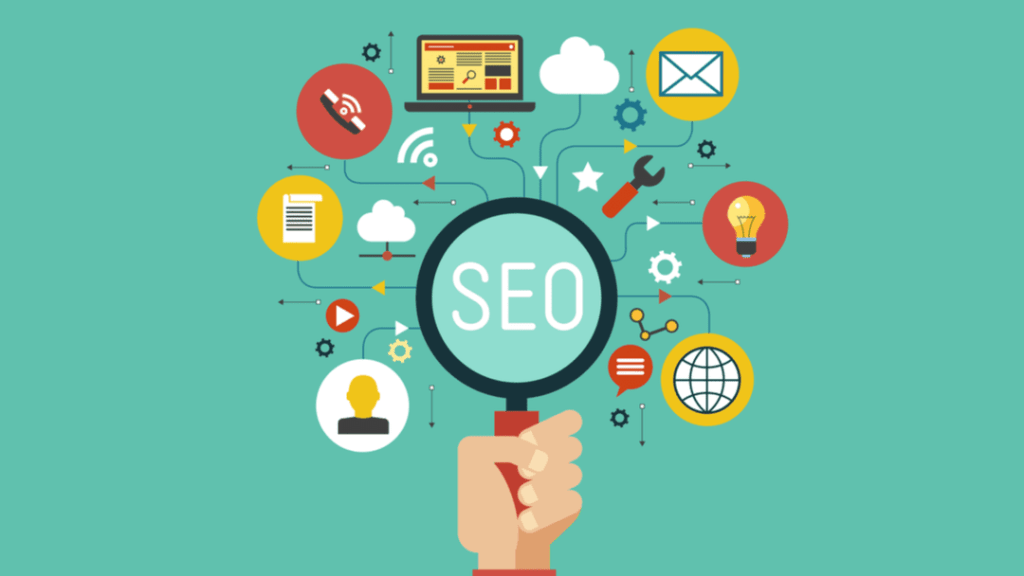
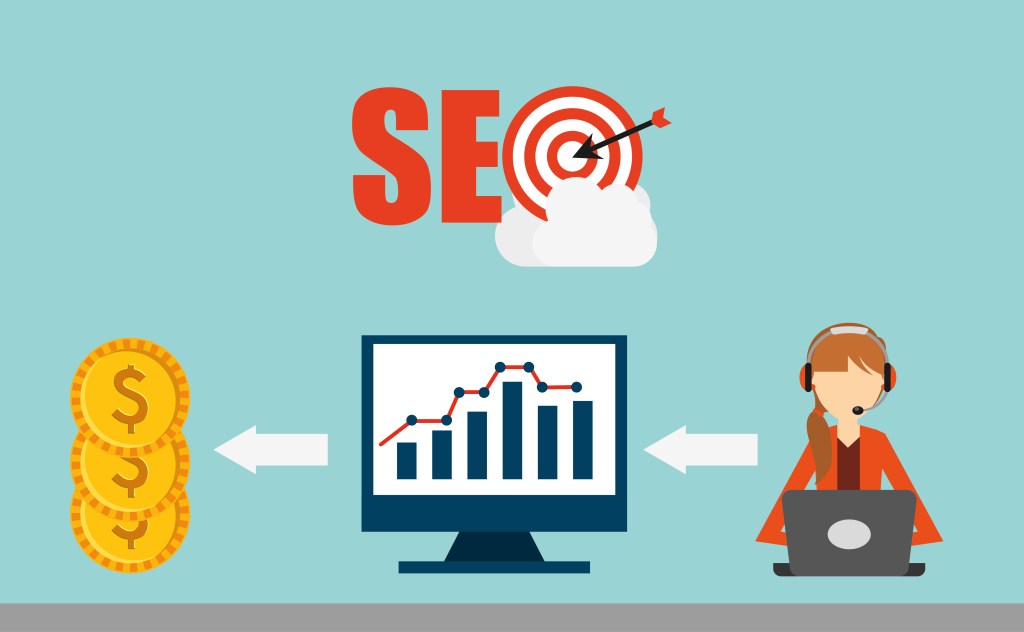
seo concept design, vector illustration eps10 graphic

Advantages of Utilizing SEO Services in India

Utilizing Indian SEO services brings a range of benefits that can help businesses stand out in the competitive online marketplace. Here’s why businesses are increasingly choosing Indian SEO agencies and professionals:

Cost-Effectiveness

SEO services in India are highly affordable compared to other countries. Businesses can save a significant amount on marketing costs without compromising on the quality of services. This cost advantage allows companies to allocate resources to other areas of their business, maximizing overall ROI.

High Expertise and Skilled Professionals

India has a large pool of highly skilled and experienced SEO professionals who stay updated with the latest SEO trends and Google algorithms. These experts apply proven strategies tailored to your business needs, ensuring the best results for your online presence.

Time Zone Advantage

With a significant time difference between India and many Western countries, businesses can enjoy the advantage of having SEO work done while they sleep. This 24/7 productivity cycle ensures faster turnaround times and continuous progress on SEO campaigns.

Global Perspective

Indian SEO professionals work with businesses from around the world, giving them a global perspective on SEO strategies. They can apply international best practices while tailoring services to suit local market conditions, ensuring a broader reach and better engagement for your business.

Access to Advanced Tools

SEO services in India provide access to cutting-edge tools and software that enhance the quality of SEO campaigns. These tools help in tracking keyword rankings, analyzing competitors, and optimizing on-page SEO, ensuring comprehensive results with data-backed decisions.

Diverse SEO Solutions

Indian SEO companies offer a wide range of SEO services, including on-page SEO, off-page SEO, local SEO, content marketing, and more. This diverse range allows businesses to create customized SEO strategies that align with their specific goals and target audience. Visit the SEO company website to understand the solutions they offer.

Improved Website Traffic

With effective SEO strategies, Indian SEO experts focus on increasing organic traffic to your website. By optimizing content, improving site speed, and utilizing strategic keywords, these services help attract relevant visitors and boost the chances of conversions and sales.

Better ROI with Sustainable Growth

Indian SEO services prioritize long-term growth over short-term results. By employing white-hat SEO techniques, professionals focus on building sustainable, organic growth that continues to deliver results even after the campaign ends, offering long-term returns on investment.

Enhanced User Experience

SEO is not only about improving rankings but also about enhancing the overall user experience. Indian SEO professionals ensure that your website is user-friendly, mobile-optimized, and easy to navigate, which improves site engagement, reduces bounce rates, and encourages repeat visits.

Proven Track Record

Many SEO agencies in India have worked with a variety of industries and have a proven track record of success. By reviewing their portfolio and client testimonials, businesses can gain confidence in the quality and effectiveness of the services they offer.

Scalability of Services

Indian SEO providers offer scalable services that can easily adapt to the growing needs of a business. As your business expands, SEO strategies can be adjusted and optimized to accommodate new products, markets, and customer segments, ensuring continuous growth.

Focus on Quality Content Creation

SEO professionals in India emphasize the importance of high-quality content creation. They focus on crafting relevant, engaging, and informative content that not only improves rankings but also resonates with the target audience, leading to increased trust and brand loyalty.

Thorough Competitor Analysis

Indian SEO experts conduct in-depth competitor analysis to understand the strategies of market leaders. By analyzing competitors’ strengths and weaknesses, they help businesses implement tactics that can give them a competitive edge, improving their chances of outperforming rivals in search rankings.

Customization of SEO Strategies

Indian SEO agencies offer highly customized strategies based on the specific requirements of your business and industry. Whether you’re in e-commerce, healthcare, or education, these services are tailored to target your unique audience and achieve desired outcomes.

Comprehensive Reporting and Analytics

SEO services in India provide transparent reporting, allowing businesses to track the performance of their campaigns. Detailed analytics offer insights into key metrics such as traffic, conversion rates, and keyword rankings, helping businesses make data-driven decisions and fine-tune their strategies for optimal results.

Summary

Utilizing SEO services in India offers businesses an array of advantages, from cost savings to access to skilled professionals with global expertise. By leveraging India’s SEO services, companies can expect enhanced online visibility, increased traffic, improved user experiences, and long-term growth. Whether you’re a small startup or an established brand, Indian SEO professionals can provide effective, tailored solutions to help you achieve your digital marketing goals. With these compelling benefits, it’s clear why so many businesses are turning to India for their SEO needs.

About the Author

The article has been written by a website copywriter employed at an SEO company. See his website to learn more about their services.

Reference Links:

https://designtrends.design.blog/2024/12/10/seo-company-india/

https://www.adobe.com/express/learn/blog/seo-marketing-guide

https://webdesignnews7.blogspot.com/2024/12/seo-experts-india.html
Digital Marketing

SEO Company in India: Finding from Best Companies

An SEO company in India helps businesses improve their online visibility and organic search rankings. They offer strategies to boost website traffic, enhance user experience, and ultimately grow business revenue. India’s SEO market is competitive, making it essential to partner with the right professionals for success.

SEO company in India

What Does an SEO Company in India Do?

An SEO company in India focuses on optimizing websites for better visibility in search engines. They use techniques such as keyword research, on-page and off-page SEO, content optimization, and link building to increase organic traffic and improve the site’s rankings for relevant search terms.

Benefits of Hiring an SEO Company in India

An experienced SEO company in India can help businesses stay ahead of the competition and maximize their online potential. Below are the key benefits of working with a professional SEO service provider:

Cost-Effective Solutions

SEO services in India are often more affordable compared to other countries, making it easier for businesses of all sizes to access high-quality services without breaking the bank.

Access to Skilled Experts

India is home to a large pool of experienced SEO professionals who stay up-to-date with the latest trends, ensuring that businesses receive the most effective and modern SEO strategies.

Improved Organic Rankings

By optimizing your website, an SEO company ensures your website ranks higher in search results, driving more organic traffic and increasing the chances of converting visitors into customers.

Comprehensive SEO Strategy

A professional SEO company develops a customized, comprehensive strategy that includes on-page SEO, content optimization, technical SEO, and link building to achieve better results over time.

Faster Results

By leveraging proven SEO techniques and strategies, SEO companies or Indian SEO experts can help you see noticeable improvements in rankings, traffic, and conversions faster than if you were to handle SEO internally.

Access to Cutting-Edge Tools

SEO companies in India invest in advanced tools and software to track website performance, identify issues, and enhance overall SEO efforts, ensuring a more data-driven approach to optimization.

Increased Brand Awareness

Higher search engine rankings mean more exposure for your brand. An SEO company helps build brand awareness by ensuring your business is visible to potential customers searching for relevant products or services.

Focus on Core Business

With the complexities of SEO handled by experts, you can focus on your core business activities. This allows you to save time and resources, ensuring that your business can grow while leaving SEO to the professionals.

Make a List of the Top 10 SEO Companies in India

To identify the best SEO companies in India, you can use several methods to make an informed decision. Here are some ways to get started:

Google Search

Searching Google for “top 10 SEO companies in India” or “best SEO agencies in India” will provide lists and articles compiled by industry experts, showcasing leading agencies based on various metrics and client reviews.

Social Media

Social media platforms provide insights into the reputation and client interactions of SEO companies. Monitoring discussions and posts on platforms like LinkedIn or Facebook can help assess a company’s credibility and client engagement.

Review Websites

Review platforms that specialize in gathering customer feedback can help you assess SEO companies’ effectiveness. Reviewing client testimonials and ratings can guide you toward reliable and high-quality agencies.

Industry Directories

Industry directories that specialize in SEO services can be another valuable resource. They categorize agencies based on their specialization and expertise, making it easier to find the right match for your business.

Referrals for SEO Company in India

Ask other business owners or professionals in your network for referrals to reputable SEO companies. Recommendations from trusted sources can help you find agencies with a proven track record.

How to Find the Best SEO Company in India?

Finding the right SEO company in India requires careful research. Here are seven steps to guide you through the process:

Define Your SEO Goals

Before searching for an SEO company, clarify your specific goals. Whether it’s improving organic traffic, increasing conversions, or enhancing brand visibility, clear objectives will help you find an agency that aligns with your needs.

Research Company Experience

Look for companies with experience in your industry or niche. An experienced SEO company will understand the unique challenges and demands of your business and can craft a tailored strategy to meet those needs.

Check Case Studies and Success Stories

Examine the company’s past work and case studies. A reputable SEO agency will share examples of successful campaigns and results, providing insight into their ability to deliver measurable improvements.

Assess Communication and Reporting

Effective communication is crucial when working with an SEO company. Ensure the agency provides clear reports and is responsive to your questions. Regular updates on progress are important to track results.

Review Client Testimonials

Look at client reviews, ratings, and feedback from other businesses that have worked with the company. Positive testimonials are a strong indicator of an SEO company’s quality and professionalism.

Evaluate Transparency and Ethical Practices

Choose an SEO company that follows ethical SEO practices and is transparent about their methods. Avoid agencies that offer shortcuts or use black-hat tactics, as these can harm your website’s long-term performance.

Consider the Budget

Ensure the agency’s pricing fits within your budget. While cost should not be the sole factor, it’s important to balance affordability with quality. A good SEO company offers value for money and works within your financial constraints.

Conclusion of Finding the Top SEO Agency in India

Working with a reputable SEO agency in India can significantly improve your online presence and drive business growth. By carefully evaluating factors such as experience, success stories, and ethical practices, you can find an agency that fits your needs and delivers optimal results.

Author Bio

The article is written by an experienced website content writer employed at an SEO company in India Startechdms. He has written several articles about SEO.

Reference Links:

https://designtrends.design.blog/2024/12/03/seo-expert-india/

https://en.wikipedia.org/wiki/Search_engine_optimization

https://medium.com/@anoopsathyan456/seo-services-india-d041c70dd87b

Digital Marketing

SEO Expert in India: Hiring from the Best Experts

An SEO expert in India helps businesses improve their online presence by optimizing websites for better search engine rankings. Their expertise ensures effective strategies tailored to your business needs, driving organic traffic and improving visibility. Hiring the right expert can make a significant difference in achieving your digital marketing goals.

seo expert in india

What Does an SEO Expert in India Do?

A top SEO expert in India optimizes your website to achieve higher rankings on search engines. They conduct keyword research, analyze website performance, and implement on-page and off-page SEO strategies. Their goal is to enhance organic visibility, improve user experience, and increase conversions through measurable and sustainable results.

Benefits of Hiring an SEO Expert in India

Hiring an Indian SEO expert comes with numerous advantages. These professionals are skilled in optimizing websites for both domestic and international markets, offering tailored strategies. Here are the key benefits:

1. Affordable Pricing

Indian SEO experts provide high-quality services at competitive rates, making it an excellent choice for businesses looking to maximize their return on investment while minimizing costs.

2. Tailored SEO Strategies

They design customized strategies based on your business niche, target audience, and goals, ensuring that your website meets its specific objectives effectively.

3. Experience

SEO experts bring years of experience and a deep understanding of the ever-changing search engine algorithms, ensuring your site stays optimized and compliant with the latest trends.

4. Increased Organic Traffic

By optimizing keywords, content, and technical aspects, they help attract high-quality, relevant organic traffic to your website, increasing your chances of conversions.

5. Comprehensive Performance Tracking

Indian SEO experts offer regular reports and detailed insights, allowing you to monitor the progress of your campaigns and make informed decisions for further optimization.

6. Focus on Long-Term Results

They prioritize sustainable strategies that deliver long-term results, ensuring your website continues to perform well even as algorithms and market trends evolve.

7. Enhanced User Experience

By improving site speed, navigation, and mobile responsiveness, they ensure a seamless user experience, which positively impacts your rankings and customer satisfaction.

Make a List of Top 10 SEO Experts in India

Finding the best search engine experts in India involves exploring various resources to identify skilled professionals. Here are some reliable ways to compile your list:

1. Google Search

Perform a Google search for phrases like “top 10 SEO experts in India” or “best SEO expert in India” to identify leading professionals and their portfolios.

2. Business Directories

Browse business directories to discover SEO experts, their services, and reviews, helping you shortlist potential candidates.

3. Social Media

Look for SEO professionals actively sharing expertise and updates on social platforms to evaluate their experience and approach.

4. Review Platforms

Check reviews and ratings to gain insights into the credibility and quality of services offered by different SEO experts.

5. Referrals for SEO Experts in India

Ask colleagues, partners, or industry contacts for recommendations to find trusted SEO professionals in India.

How to Hire the Best SEO Expert in India?

Hiring the right SEO expert requires careful evaluation and a strategic approach. Follow these steps to find the best fit for your project:

1. Define Your SEO Goals

Clearly outline your objectives, such as boosting rankings, increasing traffic, or improving conversions. Having specific goals helps the expert design strategies tailored to your project’s requirements.

2. Evaluate Their Portfolio

Review their past projects and case studies to assess their expertise. Look for proven results in similar industries or niches to ensure they have the experience needed for your business.

3. Check Reviews and Testimonials

Read client feedback to understand their credibility, work quality, and ability to meet deadlines. Positive reviews reflect their reliability and effectiveness in delivering successful SEO strategies.

4. Ask for a Strategy Proposal

Request a detailed plan on how they will achieve your SEO goals. This allows you to evaluate their approach, creativity, and understanding of your project’s needs.

5. Discuss Communication Practices

Ensure the expert provides regular progress updates, clear reporting, and is responsive to feedback. Effective communication is crucial for aligning efforts and achieving desired results.

6. Compare Pricing

Analyze their pricing structure to ensure it fits your budget. Compare costs against the value they provide to determine the best balance of affordability and quality.

7. Start with a Trial Project

Begin with a smaller task to evaluate their expertise, responsiveness, and compatibility with your project. This helps you make an informed decision before committing to larger assignments.

Final Thoughts on Hiring the Best SEO Experts in India

Hiring the right SEO expert in India can significantly impact your website’s visibility and overall success. By carefully evaluating their experience, approach, and communication, you can find a professional who aligns with your business goals. Invest in expertise to achieve sustainable, measurable growth.

About the Author

The author has been working as a content writer for a top SEO professional. His website helps you learn more about his services and past works.

Reference Links:

https://www.adobe.com/express/learn/blog/seo-marketing-guide

Digital Marketing

How to Advertise on Google Ads?

Learning how to advertise on Google Ads can significantly boost your business visibility, attracting potential customers by targeting specific keywords and demographics. Google Ads enables businesses to reach their audience through search engine results, display networks, and video ads, making it a powerful tool for companies looking to expand their reach and generate leads effectively.

how to advertise on Google Ads

Why Is Google Ads Important?

Google Ads is essential for businesses seeking quick visibility in the highly competitive online marketplace. With billions of daily searches, Google Ads helps companies target their ideal customers based on keywords, location, and interests. It allows for precise tracking, budget control, and flexibility, ensuring that every advertising dollar can yield measurable results.

How Advertising on Google Works?

Google Ads operates on a pay-per-click (PPC) model, meaning advertisers pay only when users click their ads. Businesses bid on specific keywords relevant to their products or services.

When a user searches for those keywords, Google’s algorithm determines which ads to display based on factors like bid amount, ad relevance, and quality score.

This auction system enables advertisers to compete for prime ad placements, such as the top spots on search results pages or specific sites within the Google Display Network.

This auction-based approach is the foundation of expert Google Ads services. Through these services, businesses can reach potential customers in a variety of ways, including search ads, display ads, video ads on YouTube, shopping ads for e-commerce, and app ads targeting mobile users.

Types of Google Ads

Search Ads

Text-based ads displayed on Google’s search results page when users search for related keywords.

Display Ads

Visual ads (images or videos) appearing on websites within Google’s Display Network, helping reach users as they browse online.

Video Ads

Video content shown on YouTube and other Google video partners, ideal for branding and engagement.

Shopping Ads

Product-based ads displaying product images, prices, and links to retail sites, perfect for e-commerce.

App Promotion Ads

Ads designed to drive app downloads or engagement within Google’s app ecosystem.

How to Advertise on Google

1. Set Up a Google Ads Account

To get started with Google Ads, you need to create an account. Visit the Google Ads website, and sign in using your Google account. If you don’t have one, you’ll need to create it. Once signed in, you’ll be guided through setting up your account.

This includes providing basic business information, choosing your time zone and currency, and entering billing details to start running ads. You can also link your website to the account to ensure accurate tracking of conversions.

2. Define Your Advertising Goals

Clarifying your goals helps you focus your efforts. You need to decide what you want your ads to achieve. Whether it’s increasing website traffic, generating leads, driving online sales, or building brand awareness, having clear objectives will guide how you structure your campaigns.

For example, if your goal is sales, you might choose a shopping campaign or search ads targeting high-conversion keywords. If you want to build awareness, display or video ads may be more suitable.

3. Choose the Right Campaign Type

Google Ads offers different campaign types tailored to various goals:

  • Search Campaigns: These are text-based ads that appear when users search for specific keywords on Google.
  • Display Campaigns: These are visual ads (banners, images, etc.) that appear across Google’s Display Network on websites, apps, and videos.
  • Video Campaigns: These ads appear on YouTube and Google’s video partner sites.
  • Shopping Campaigns: These are specifically for e-commerce businesses and show product images, prices, and store details.
  • App Campaigns: These focus on driving app downloads and engagement.

Choose a campaign type that aligns with your objectives to ensure your ads reach the right audience in the right format.

4. Conduct Keyword Research

Keyword research is critical for targeting the right audience. Use Google’s Keyword Planner to discover keywords that align with your product or service. Identify high-traffic and relevant keywords to include in your campaigns.

Group related keywords into ad groups, which will help organize your campaigns and increase relevance. Additionally, consider adding negative keywords (keywords that you don’t want your ads to show up for) to avoid wasting your budget on irrelevant searches.

5. Set a Budget and Bidding Strategy

You need to define how much you’re willing to spend on your Google Ads campaigns. Start by setting a daily budget—this is the maximum amount you want to spend per day on ads. Google Ads operates on a bidding system, so you’ll also need to decide on your bidding strategy:

  • CPC (Cost-Per-Click): You pay for each click on your ad.
  • CPM (Cost-Per-Thousand Impressions): You pay for every 1,000 views your ad receives.
  • CPA (Cost-Per-Acquisition): You pay when a user completes a specific action, like filling out a form or purchasing a product.

Selecting the right bidding strategy depends on your goals—whether it’s driving traffic, increasing impressions, or generating conversions.

6. Create High-Quality Ads

Once you’ve set up your budget and campaign type, you need to create your ads. For search ads, write clear, compelling headlines and descriptions that include your targeted keywords.

The ad copy should focus on the benefits of your product or service and include a strong call-to-action (CTA) like “Buy Now” or “Get a Quote.” For display ads, use eye-catching visuals and concise messaging that resonate with your audience. If running video ads, ensure that the video is engaging, clear, and aligned with your brand.

7. Launch and Monitor Your Campaign

After creating your ads, you can launch your campaign. Once live, monitoring its performance is crucial. Track key metrics like click-through rate (CTR), conversion rates, and return on investment (ROI) to evaluate your campaign’s success.

Google Ads provides various tools to help with tracking and optimization, including Google Analytics and A/B testing. Based on performance, you may want to make adjustments to improve results, such as modifying ad copy, keywords, targeting, or bidding strategies.

Go to the page of a top Google Ads agency to explore how they can help you monitor and optimize your Google Ads campaign.

Tips for Advertising Your Business on Google

  • Target the Right Audience: Use demographic and geographic targeting to reach your ideal customers.
  • Optimize Your Landing Pages: Ensure your landing page matches the ad’s content and provides a smooth user experience.
  • Use Negative Keywords: Prevent irrelevant traffic by adding negative keywords to filter out unwanted clicks.
  • Test Different Ad Formats: Experiment with multiple formats, like text, image, and video, to see what resonates with your audience.
  • Analyze Performance Metrics: Track metrics like click-through rates (CTR), conversion rates, and ROI to evaluate campaign success.

Conclusion of How to Advertise on Google Ads

Learning how to advertise on Google Ads can transform your digital marketing efforts by giving you direct access to millions of users daily. By setting clear goals, targeting the right audience, and using data to refine campaigns, businesses can create cost-effective strategies that drive measurable growth. Whether you’re a small startup or a large enterprise, Google Ads offers powerful tools to reach and engage customers.

Digital Marketing

SEO Best Practices: Tips for Higher Website Rankings

Achieving higher rankings in search engine results is essential for increasing visibility and driving organic traffic to your website. Implementing SEO best practices can significantly enhance your site’s performance. Here are 15 effective strategies to improve your website rankings:

SEO best practices

15 SEO Best Practices

The following SEO best practices will help your website rank higher in search engine results pages.

1. Conduct Keyword Research

Conducting thorough keyword research is crucial for identifying the terms your target audience is searching for. Use tools like Google Keyword Planner or SEMrush to find high-volume, low-competition keywords. Incorporate these keywords naturally into your content to align with user intent and boost your rankings.

2. Optimize On-Page Elements

On-page optimization involves adjusting title tags, meta descriptions, and header tags to include primary keywords. Ensure that these elements accurately reflect your content while appealing to users. A well-optimized page helps search engines understand its relevance and improves click-through rates from search results. A top SEO expert can provide valuable insights and assistance with optimizing these elements.

3. Create Quality Content

Producing high-quality, engaging content is essential for attracting and retaining visitors. Focus on delivering value by answering users’ questions and addressing their needs. Original, well-researched content that is informative and relevant can lead to higher rankings and increased user trust.

4. Improve Page Load Speed

Page load speed is a critical factor for user experience and search rankings. Use tools like Google PageSpeed Insights to identify elements that slow down your site. Optimize images, leverage browser caching, and minimize code to enhance loading times, thereby reducing bounce rates.

5. Use Responsive Design

A responsive web design ensures that your site functions well on all devices, especially mobile. With mobile traffic on the rise, a mobile-friendly site improves usability, engagement, and overall satisfaction. Search engines prioritize mobile-friendly websites, making responsive design vital for rankings.

6. Implement Internal Linking

Internal linking helps users navigate your site while distributing page authority throughout. Use descriptive anchor text to link related content, guiding visitors to explore more. This not only enhances user experience but also improves the SEO value of your site’s pages.

7. Optimize for Local SEO

For businesses targeting local customers, optimizing for local SEO is essential. Claim your Google My Business listing, use local keywords, and encourage customer reviews. This increases visibility in local searches, helping you connect with potential customers in your area and driving foot traffic.

8. Leverage Social Media

Promoting your content on social media platforms can significantly enhance visibility and traffic. Engage with your audience by sharing valuable insights and updates. The more shares and interactions your content receives, the more likely it is to attract backlinks and improve search rankings.

9. Build High-Quality Backlinks

Acquiring backlinks from reputable websites is crucial for establishing authority and credibility. Focus on creating valuable content that others want to link to. Guest posting, partnerships, and outreach can help you earn high-quality backlinks, positively impacting your site’s rankings.

10. Utilize Alt Text for Images

Adding descriptive alt text to images improves accessibility and helps search engines understand the content. Alt text should accurately describe the image while incorporating relevant keywords. This practice enhances the potential for ranking in image searches and improves overall SEO.

11. Create a Sitemap

A sitemap is a blueprint of your website that helps search engines crawl and index your pages effectively. Create an XML sitemap and submit it to search engines like Google. This ensures that all your content is discoverable, which can improve search visibility.

12. Monitor and Analyze Performance

Regularly monitoring your website’s performance is essential for optimizing your SEO strategy. Use tools like Google Analytics and Search Console to track organic traffic, user behavior, and keyword rankings. Analyzing these metrics helps identify areas for improvement and guides future content creation.

13. Update Content Regularly

Keeping your content fresh is vital for maintaining rankings. Regularly update older posts with new information, insights, or statistics. Search engines favor updated content, and refreshing your site helps ensure that users receive the most accurate and relevant information.

14. Utilize Schema Markup

Schema markup enhances search engine understanding of your content by providing additional context. Implementing structured data can lead to rich snippets in search results, increasing visibility and click-through rates. Use schema to mark up reviews, events, and other relevant information to improve rankings.

15. Focus on User Experience

Prioritizing user experience is essential for retaining visitors and reducing bounce rates. Ensure easy navigation, clear calls to action, and valuable content that meets user needs. A positive user experience leads to higher engagement, which search engines reward with better rankings.

Final Thoughts on the SEO Best Practices

Implementing these SEO best practices can significantly enhance your website’s visibility and rankings in search engine results. By focusing on quality content, optimization techniques, and user experience, you can drive organic traffic and achieve your digital marketing goals. Start applying these tips today and watch your website climb the search engine rankings!

About the Author

The author has extensive experience in the web design industry, having worked with numerous clients over the years. Visit his blog for valuable insights into web design, SEO, and various aspects of digital marketing.

Digital Marketing

SEO Fundamentals: A Guide for Beginners

In an age where the internet reigns supreme as the go-to source for information, products, and services, standing out in the digital crowd has become more crucial than ever. This is where Search Engine Optimization, or SEO, emerges as a pivotal force. SEO is the art and science of making your digital presence not just visible but also prominent in the vast expanse of the internet. Before diving into the depths of what SEO entails, it’s essential to understand its significance and how it has revolutionized the way businesses and individuals interact with the online world. So, let’s embark on a journey to unravel the mysteries of SEO, its fundamental principles, and why it has become an indispensable tool for success in the digital realm.

seo fundamentals

What is SEO?

Search Engine Optimization, commonly referred to as SEO, is a digital marketing discipline that focuses on improving a website’s visibility in search engine results. It involves a series of strategies and techniques designed to enhance a website’s rankings on search engine results pages (SERPs). In simpler terms, SEO is about making your website more appealing to search engines like Google, Bing, and Yahoo so that it ranks higher when users search for relevant keywords.

Why Is SEO Important?

SEO is essential for several compelling reasons:

1. Increased Visibility: Higher search engine rankings mean more visibility for your website. When your site appears near the top of search results, users are more likely to click on it, increasing the likelihood of attracting organic traffic.

2. Credibility and Trust: Websites that rank well in search results are often seen as more trustworthy and credible by users. High rankings signal that search engines consider your content valuable and relevant.

3. Cost-Effective Marketing: Compared to paid advertising, SEO is a cost-effective long-term marketing strategy. Once your website ranks well for specific keywords, you can continue to attract organic traffic without ongoing ad expenses.

4. Targeted Traffic: SEO allows you to target specific keywords and demographics, ensuring that the visitors coming to your site are genuinely interested in your products or services.

5. Competitive Advantage: In today’s digital landscape, most of your competitors are likely investing in SEO. By staying ahead in search rankings, you gain a competitive edge in your industry.

seo basics

On-Page SEO: Optimizing Your Web Content

On-page SEO focuses on fine-tuning individual web pages to improve their search engine rankings and enhance user experience. Here’s a closer look at the key components of on-page SEO:

1. Keyword Research and Usage: The foundation of on-page SEO begins with extensive keyword research. Identify relevant keywords and phrases that your target audience is likely to search for. Once you’ve compiled your list, strategically incorporate these keywords into your content, including titles, headings, and throughout the body text. However, be sure to maintain a natural and user-friendly tone to ensure a positive user experience.

2. High-Quality Content: Content is king in the world of SEO. Create informative, engaging, and valuable content that addresses the needs and questions of your target audience. High-quality content not only attracts visitors but also encourages them to spend more time on your site, reducing bounce rates.

3. Title Tags and Meta Descriptions: Craft compelling title tags and meta descriptions that include your target keywords. These elements often appear in search results and can significantly influence click-through rates. A well-crafted title and meta description can entice users to click on your link.

4. Header Tags (H1, H2, H3, etc.): Properly structure your content using header tags. These tags not only improve the readability of your content but also help search engines understand the hierarchy and importance of different sections within your page.

5. Optimized Images: When using images, ensure they are optimized for SEO. Use descriptive file names and alt tags for images to make them search engine-friendly. This practice not only helps with accessibility but also enhances your page’s search engine ranking.

6. Page Speed: Website speed is crucial for SEO. Ensure that your website loads quickly on both desktop and mobile devices. Slow-loading pages can negatively impact user experience and, consequently, your search engine rankings.

Off-Page SEO: Building Authority and Trust

Off-page SEO involves activities that aim to build your website’s authority and credibility in the digital landscape. Here are the key elements of off-page SEO:

1. Backlinks: Acquiring high-quality backlinks from reputable websites is a cornerstone of off-page SEO. These backlinks act as votes of confidence in your content and can significantly boost your rankings. Strategies for earning backlinks include outreach, guest posting, and creating shareable content.

2. Social Signals: Although not a direct ranking factor, a strong social media presence and engagement can indirectly impact SEO. Active social media profiles can drive traffic to your site and encourage content sharing, which can improve your site’s visibility.

3. Online Reputation Management: Monitor and manage your online reputation to ensure that negative reviews and mentions don’t harm your website’s credibility. Respond to reviews and address concerns to maintain a positive online image.

4. Local SEO: For businesses with physical locations, local SEO is crucial. Ensure that your business is listed accurately on platforms like Google My Business. Local SEO efforts can improve your visibility in location-based searches.

what is seo

Technical SEO: The Backbone of Your Website

Technical SEO focuses on the backend aspects of your website that impact its search engine performance, including conducting regular SEO audits. Here are the fundamental elements of technical SEO:

1. Website Structure: Ensure that your website has a clear and logical structure. This includes an XML sitemap that helps search engines crawl and index your site effectively.

2. Mobile-Friendliness: With the majority of internet users accessing websites via mobile devices, having a responsive design is crucial for SEO success. Ensure that your site is mobile-friendly and provides a seamless experience on smartphones and tablets.

3. Website Speed: Page load speed is a critical factor in SEO. Optimize images, use efficient coding practices, and leverage content delivery networks (CDNs) to improve your site’s loading times.

4. Robots.txt and XML Sitemap: Use robots.txt files to instruct search engines on which parts of your site should and should not be crawled. Additionally, submit an XML sitemap to search engines to help them understand your site’s structure and content.

5. HTTPS: Secure your website with HTTPS. Search engines favor secure sites, and HTTPS is considered a ranking signal. It also enhances user trust and data security.

6. Canonicalization: Implement canonical tags to specify the preferred version of duplicate content. This helps prevent issues with duplicate content, which can negatively impact SEO.

By addressing these technical aspects of SEO, you can ensure that your website is not only user-friendly but also search engine-friendly, which is essential for achieving high rankings in search results.

on page seo

Summary of SEO Fundamentals

SEO fundamentals encompass understanding what SEO is, recognizing its importance, and mastering the basics of on-page and off-page optimization. By implementing these strategies, you can enhance your website’s visibility, attract more organic traffic, and establish a strong online presence. SEO is an ever-evolving field, so staying updated on the latest trends and best practices is essential for long-term success in the digital landscape.

Related Links:

https://backlinko.com/hub/seo/fundamentals

https://neilpatel.com/what-is-seo/

https://www.rankpointer.com/seo-audit-complete-guide/

https://moz.com/beginners-guide-to-seo

https://www.freelancewebdesigner.biz/seo-expert-hyderabad/

https://yoast.com/what-is-seo/

Digital Marketing

10 Ways to Increase Online Visibility for Your Small Business

Why does your website not rank among Google’s top 10? Why doesn’t your modest business have an internet presence?

Many individuals are unaware of how difficult it is to operate an online enterprise. Obtaining business listings and achieving a high ranking for one’s website are not simple tasks.

If you have a website, you have completed the most difficult step. The subsequent phase is to market your company to prospective customers and clients.

The internet is an interconnected “web” of information. Visibility is becoming increasingly essential for small and medium-sized businesses (SMBs) as the number of websites, people, and businesses competing for attention increases.

Here are ten ways businesses can increase their online visibility and spread their message.

online visibility

10 Ways Small Businesses Can Get Better Online Visibility

You may need to implement several of these strategies simultaneously to determine which is most effective, but they should all increase your online visibility.

Optimize Your Website for Search Engines

Search engines such as Google and Bing are the primary source of traffic to the majority of websites. It is essential to optimise your website for search engines for this reason.

At its core, optimisation involves producing content that is simple for search engines to comprehend and index. This involves utilising keywords that individuals use when browsing for products and services similar to yours.

It also involves using a variety of content categories, such as images, video, audio, and text, so that search engines can correctly classify your website.

Get Your Business Listed on Search Engines

Most online searches begin with a search engine, and they’re one of the first locations people visit when looking for a business. Having your business listed on search engines will increase exposure and traffic to your website.

Google My Business (GMB) is a free Google tool that enables you to create and administer a Google Maps listing for your business. You can accomplish this by submitting a listing request to each of them (Google and Yahoo allow you to submit multiple listings at once).

The greater the number of online locations where your business appears, the better off you will be when potential consumers search for your business type or location.

Invest in Local SEO

Local search engine optimisation is crucial to digital marketing because it increases the visibility of a business in the physical world. Local SEO involves optimising your website for Google Maps and other local search results, such as Yelp and Foursquare.

Potential customers seeking local businesses like yours may first consult these platforms; therefore, you must have a presence.

It is an effective method for increasing visibility because the majority of consumers prefer to purchase locally, particularly if they have concerns about the product or service and require an immediate response.

online visibility guide

Create Website Content People Want to Read

The content strategy you select for your company’s website will have a significant impact on its performance. What’s the purpose of writing the world’s most beautiful prose if nobody wants to read it?

It makes sense to write blog posts about pregnancy and parenting if you offer baby products and accessories. However, if you sell office supplies, you would be better off writing about workplace productivity or small business management.

Get Social Media Accounts

Ensure that your social media accounts contain links to your website or blog so that people can readily learn more about your business and how to get involved.

Twitter, Instagram, Facebook, and LinkedIn enable users to share information about their passions and interests. By frequently sharing helpful advice, businesses can establish themselves as experts or thought leaders within a niche or industry on these platforms.

Start Guest Blogging

Guest blogging is a traditional method for increasing online visibility. Consider websites with a similar audience, with comparable interests and needs.

If you operate a pet grooming business, for instance, you should target sites that cater particularly to dog or cat owners rather than general pet blogs where you would be competing with a variety of other topics.

Do not randomly select an opportunity from the selection of available options. Take the time to determine which bloggers in your niche have been successful in the past and why, and then contact them directly as opposed to sending out applications indiscriminately.

small business visibility

Create Videos for Your Business

It has been demonstrated that video marketing increases brand awareness, consumer engagement, and sales. Create videos demonstrating what your business does best, such as customer testimonials, how-to guides for a product or service, or even behind-the-scenes footage of how your business operates.

These recordings can be posted on YouTube.

Live streams can be utilised at conferences, seminars, product launches, industry events, and any other gathering where people are interested in learning more about your work or providing feedback on how to do it better.

Advertise on Social Media

Social media platforms such as Twitter, Facebook, Instagram, and Pinterest enable users to interact with one another through posts, remarks, and photo and video sharing.

With the assistance of a marketing operations consultant, businesses can use these platforms to raise awareness of their products and services while engaging with consumers directly through social media marketing campaigns.

Many social networks allow you to exhibit products or services directly on their platform, so if they are available for your niche, investigate Facebook Shop and Pinterest Business pages.

Email Marketing

Email marketing enables you to strengthen your relationship with your audience by delivering relevant content at their convenience. It helps you remain in people’s minds and encourages them to act in response to your messages.

Set up a newsletter or blog email list by including an opt-in form on your website for customers to sign up for your communications.

Your subject line will initially inform recipients whether they should open or dismiss your email. Ensure that it is concise and descriptive so that subscribers know what to expect before they open your message.

Your call to action can be anything, including an offer for a discount or freebie, an invitation to obtain a resource or share content on social media, etc., but it must be clear and concise.

Track Your Marketing Progress and Adjust Accordingly

Your marketing strategy should include tracking your progress and adjusting parameters so that you do not squander time or money on ineffective strategies or campaigns that are not achieving their objectives.

Invest in paid advertising through Google Adwords to appear at the top of search results when people seek for services similar to yours. It’s also simple to monitor how much you’re spending on each advertising campaign, so you don’t waste money on ads that don’t generate leads or sales.

Simply alter your bids based on performance and reduce them.

search visibility

Summary of Tips to Increase Online Visibility

Here, we’ve compiled a list of prominent online visibility and presence-enhancing strategies for small businesses. Moreover, you have likely contemplated many of these strategies before – and for good reason.

Many potential consumers are lost if your business is not listed on directory sites, and search engine optimisation can be difficult to implement without a robust social media presence.

You don’t have to implement all of these strategies simultaneously; you can start with one or two, observe how they perform, and then progress on to the others.

The outcome? Your modest business will benefit significantly from a more robust online presence!

Related Links:

https://www.semrush.com/kb/973-check-online-visibility

https://www.webdesigncochin.in/ultimate-guide-to-google-my-business/

https://ahrefs.com/seo/glossary/search-visibility

https://www.searchenginejournal.com/local-seo/

https://www.pixelsolvent.com/seo-company-bangalore/

https://moz.com/help/moz-pro/rankings/search-visibility

Digital Marketing

How Does Off Page SEO Help Businesses?

In the vast and competitive landscape of the internet, achieving a prominent online presence is a priority for businesses and individuals alike. This is where Search Engine Optimization (SEO) comes into play, acting as a catalyst to enhance your website’s visibility and authority. While on-page SEO focuses on optimizing the content and structure of your website, off-page SEO ventures beyond your site’s boundaries to establish your credibility and reputation across the digital realm. In this article, we will delve into the world of off-page SEO and explore how it contributes to your online success.

off page seo

Understanding Off-Page SEO

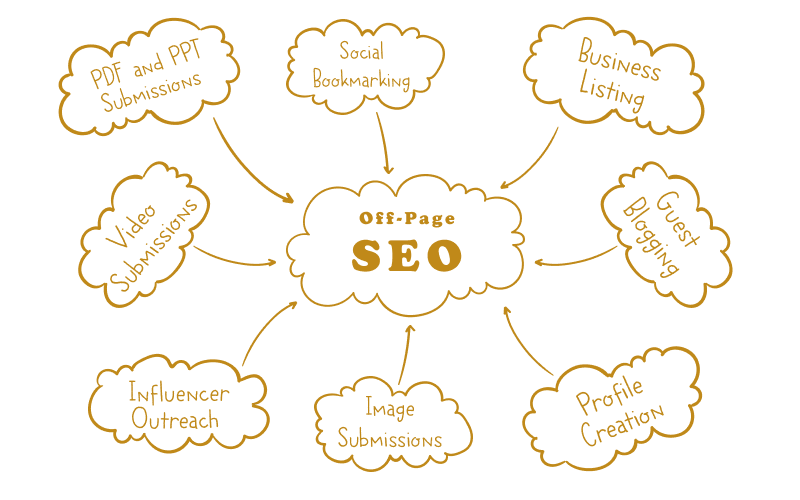
Off-page SEO, often referred to as “off-site SEO,” involves strategies and activities that take place outside of your website but have a direct impact on its search engine rankings and overall online reputation. Unlike on-page SEO, which deals with factors within your control, off-page SEO involves external signals that search engines use to evaluate the credibility and relevance of your website. The primary objective of off-page SEO is to build high-quality backlinks, establish your brand’s authority, and create a positive online reputation.

The Power of Backlinks

At the heart of off-page SEO lies the concept of backlinks. Backlinks, also known as inbound links or incoming links, are hyperlinks from external websites that direct users to your own site. Search engines like Google consider backlinks as votes of confidence from other websites, indicating that your content is valuable and worthy of referencing. The quality and relevance of these backlinks play a crucial role in determining your website’s authority and position in search results. The more authoritative and relevant the linking websites are, the more impact the backlinks will have on your off-page SEO efforts.

Benefits of Off-Page SEO

1. Enhanced Authority and Trust:

Building a network of high-quality backlinks from authoritative websites contributes to your website’s authority and trustworthiness. When reputable sites link to your content, search engines perceive your site as a valuable resource. This authority translates into a higher likelihood of ranking well in search results, as search engines prioritize content that is backed by trusted sources. Users are also more likely to trust your content and recommendations when they see that respected websites endorse your content through backlinks.

2. Improved Search Engine Rankings:

Backlinks remain a fundamental ranking factor for search engines. The number and quality of backlinks signal the relevance and popularity of your content. As you acquire more authoritative backlinks, search engines recognize your content as valuable and deserving of higher rankings. This increased visibility drives organic traffic to your site, offering a greater opportunity to engage with potential customers.

3. Increased Organic Traffic:

A strong off-page SEO strategy leads to higher search engine rankings, which, in turn, increases the visibility of your content. This heightened visibility drives organic traffic to your website as users are more likely to click on links that appear on the first page of search results. Quality backlinks create pathways for users to discover your content through various online channels, leading to a consistent flow of targeted visitors.

off page seo services

4. Brand Exposure and Recognition:

Engaging in off-page SEO activities like guest blogging, social media interactions, and influencer collaborations exposes your brand to a wider audience. These efforts help create a recognizable online presence, enhancing brand recognition. As users encounter your brand across different platforms and authoritative sources, they develop familiarity and trust, increasing the likelihood of them engaging with your content or making a purchase.

5. Referral Traffic:

The impact of backlinks isn’t limited to search engine algorithms; they also serve as direct pathways for referral traffic. Users who click on backlinks from other websites are directed to your content, driving relevant and engaged visitors to your site. This referral traffic is valuable as it comprises users who are already interested in your niche or industry, increasing the chances of conversions and engagement.

6. Diversified Online Presence:

Engaging in off-page SEO activities diversifies your online footprint. By participating in industry-related discussions, contributing to forums, and collaborating with influencers, you broaden your reach beyond your website. This diversified presence not only strengthens your brand’s authority but also increases the likelihood of users encountering your content in different online spaces.

off page seo strategies

Off-Page SEO Strategies

1. Link Building:

Focus on obtaining high-quality, relevant backlinks from authoritative websites in your industry. Natural link-building practices involve creating valuable content that others naturally want to link to.

2. Guest Blogging:

Contribute guest posts to authoritative blogs in your niche. In return, you earn a backlink to your website and establish yourself as an expert in your field.

3. Social Media Engagement:

Active participation on social media platforms helps you connect with your audience, share your content, and attract engagement and shares, potentially leading to more backlinks.

4. Influencer Outreach:

Collaborate with influencers or thought leaders in your industry. Their endorsement can lead to exposure and valuable backlinks.

5. Online Communities and Forums:

Participate in online forums and communities related to your niche. By providing valuable insights and answering questions, you position yourself as an authority and gain backlinks from forum discussions.

off site seo

How does off page SEO help – Summary

Off-page SEO is an indispensable part of your overall SEO strategy, driving credibility, authority, and visibility for your website. The art of acquiring high-quality backlinks and building a positive online reputation requires consistent effort and engagement across various platforms. By strategically focusing on off-page SEO techniques, you can establish your brand as a trusted source of information, improve your search engine rankings, and ultimately achieve a robust online presence that captivates your target audience. Remember, in the world of SEO, the journey to success is a multifaceted one that combines both on-page and off-page efforts.

Useful Links:

https://blog.hubspot.com/marketing/off-page-seo

https://www.rankpointer.com/keyword-research-in-depth-guide-for-beginners/

https://www.semrush.com/blog/off-page-seo/

https://www.semrush.com/blog/off-page-seo/

https://www.webdesigncochin.in/seo-ernakulam-kerala/

https://yoast.com/off-page-seo/

Digital Marketing

How to Develop a Content Marketing Plan

Content marketing has emerged as a powerful strategy for businesses to communicate with their target audience, increase brand awareness, and increase engagement in the digital era. However, producing arbitrary pieces of content is not sufficient for a successful content marketing campaign. It requires a methodical and strategic approach. In this article, we will walk you through the process of creating a content marketing plan that correlates with your business objectives and resonates with your target audience.

content marketing plan

Steps to Develop a Content Marketing Plan

Here are the important steps to develop a content marketing plan.

1. Define Your Goals and Objectives

Before diving into content creation, it’s crucial to define clear goals and objectives for your content marketing plan. Determine what you want to achieve with your content efforts. Are you aiming to increase brand awareness, drive website traffic, generate leads, boost sales, or establish thought leadership? Your goals will guide the entire content strategy, helping you create content that aligns with your business objectives. Setting measurable goals ensures that you can track the effectiveness of your content marketing efforts and make informed decisions based on data.

2. Identify Your Target Audience

Understanding your audience is at the heart of effective content marketing. Create detailed buyer personas that represent your ideal customers. These personas should include demographic information, pain points, challenges, motivations, and behaviors. By deeply understanding your target audience, you can tailor your content to address their specific needs and interests. This personalized approach not only captures their attention but also builds a stronger emotional connection. Whether you’re speaking to B2B professionals or consumers, aligning your content with your audience’s preferences enhances engagement and drives better results.

3. Conduct Competitor Analysis

Analyzing your competitors’ content strategies provides valuable insights into your industry landscape. Study the types of content they produce, the platforms they use, and their engagement levels. Identify content gaps or opportunities that you can capitalize on. While it’s important to learn from competitors, aim to differentiate yourself by offering unique perspectives and innovative content ideas. This analysis helps you identify areas where you can stand out, refine your content strategy, and capture the attention of your target audience effectively.

4. Choose Content Types and Formats

Diversifying your content types and formats ensures that you cater to different preferences and consumption habits. Consider a mix of blog posts, videos, infographics, podcasts, ebooks, webinars, and more. The variety of formats allows you to convey your message in engaging ways and capture the attention of diverse audiences. For example, visual learners might prefer infographics or videos, while those seeking in-depth information might prefer ebooks or long-form articles. By offering a range of content formats, you can meet your audience where they are and deliver a more immersive and satisfying experience.

content marketing strategy

5. Plan Content Topics and Themes

Develop a list of relevant and valuable content topics based on your audience’s interests and pain points. Address common questions or challenges they face in your industry. Create themes that align with your brand’s expertise and values. Organize these topics into a content calendar, scheduling when each piece of content will be published. This systematic approach ensures a consistent flow of content and helps you maintain a steady online presence. The content calendar allows you to plan ahead, allocate resources effectively, and avoid last-minute content creation.

6. Develop a Content Calendar

A well-structured content calendar acts as a roadmap for your content marketing activities. It outlines the schedule for content creation, publication, and distribution. Include essential details such as publication dates, content formats, targeted platforms, and responsible team members. By having a clear content calendar, you ensure that your content is released consistently, avoiding gaps or overlaps in your publishing schedule. This level of organization enhances efficiency, helps teams collaborate effectively, and provides a clear overview of your content strategy’s execution.

7. Create High-Quality Content

Quality should be a top priority in your content marketing plan. Craft content that is informative, valuable, and engaging for your audience. Well-researched articles, visually appealing graphics, professional videos, and compelling storytelling contribute to your brand’s credibility and authority. Investing in high-quality content not only captures the attention of your audience but also encourages them to share, comment, and take action. Quality content reflects positively on your brand and positions you as a trusted source of information in your industry.

8. Optimize for SEO

Search engine optimization (SEO) is essential for ensuring that your content gets discovered by your target audience. Incorporate relevant keywords naturally into your content, headings, meta descriptions, and image alt text. Follow on-page SEO best practices to enhance the visibility of your content on search engine results pages (SERPs). By optimizing your content for SEO, you increase the likelihood of attracting organic traffic and reaching users actively searching for information related to your industry or offerings.

content marketing

9. Promote and Distribute

Creating great content is only half the battle; effectively promoting and distributing it is equally important. Share your content across various channels, such as your website, social media platforms, email newsletters, and relevant online communities. Craft attention-grabbing headlines and captions that resonate with your audience. You can also consider using paid advertising to amplify your content’s reach. Effective promotion ensures that your content reaches the right people, maximizing its impact and engagement.

10. Monitor and Analyze

Regularly monitor the performance of your content marketing efforts using analytics tools. Track metrics such as website traffic, page views, engagement rates, conversion rates, and social shares. Analyze these metrics to gain insights into which content pieces are resonating with your audience and driving results. By understanding what’s working and what’s not, you can make informed decisions to optimize your content strategy. Monitoring and analyzing data empowers you to refine your approach, focus on high-performing content, and continually improve your content marketing efforts.

11. Iterate and Improve

Use the insights gathered from your performance analysis to refine your content marketing strategy. Identify trends, topics, and formats that consistently perform well. Adapt your content calendar and strategy accordingly to capitalize on these findings. Embrace a culture of continuous improvement, where you’re open to experimenting with new ideas, learning from your successes and challenges, and adjusting your strategy to meet changing audience preferences and market dynamics. This iterative approach ensures that your content marketing plan remains effective and aligned with your goals over time.

content marketing strategies

Guide to Develop a Content Marketing Plan – In a Nutshell

Developing a comprehensive content marketing plan requires careful consideration of each step in the process. By setting clear goals, understanding your audience, analyzing competitors, diversifying content formats, planning topics, creating a content calendar, prioritizing quality, optimizing for SEO, promoting effectively, monitoring performance, and iterating your strategy, you can create a robust content marketing strategy that not only engages your target audience but also achieves tangible business outcomes. Remember that content marketing is an ongoing journey that requires adaptability and continuous improvement to stay ahead in the ever-evolving digital landscape.

Reference Links:

https://blog.hubspot.com/marketing/content-marketing-strategy-guide

https://www.freelancewebdesigner.biz/content-marketing-the-ultimate-guide/

https://moz.com/beginners-guide-to-content-marketing/content-strategy

https://neilpatel.com/blog/content-strategy-a-development-guide/

https://www.rankpointer.com/content-marketing-agency-india/

https://en.wikipedia.org/wiki/Content_marketing

Digital Marketing

Why Digital Marketing is the Key to Success for Your Business?

In today’s rapidly evolving business landscape, the significance of digital marketing in driving success cannot be overstated. As technology continues to reshape the way we interact, communicate, and conduct business, leveraging digital marketing strategies has become essential for businesses of all sizes. This article delves into the 15 key reasons why digital marketing is important for achieving business growth, brand recognition, and overall success.

Importance of Digital Marketing for Your Business

Here are the main benefits of digital marketing for businesses.

1. Global Reach and Targeted Audience

Digital marketing provides an unprecedented opportunity to expand your reach globally while precisely targeting your desired audience. Through platforms like social media, search engines, and display advertising, you can tailor your marketing efforts to reach specific demographics, behaviors, and interests. This targeted approach minimizes wasted resources and maximizes the impact of your campaigns, ensuring that your message resonates with those most likely to engage and convert.

2. Cost-Effectiveness

Compared to traditional marketing methods, digital marketing offers a cost-effective avenue for promoting your products and services. With varying budget sizes, you can create and deploy campaigns on channels such as social media, pay-per-click (PPC) advertising, and email marketing. These strategies allow you to allocate your resources strategically, ensuring that your marketing efforts yield a higher return on investment (ROI) and contribute to your bottom line.

3. Measurable Results

One of the major advantages of digital marketing is its measurability. Through analytics tools, you can track and measure key performance indicators (KPIs) in real-time. Metrics like website traffic, click-through rates, conversion rates, and engagement levels provide actionable insights into the effectiveness of your campaigns. This data-driven approach empowers you to refine your strategies, optimize your efforts, and allocate resources where they yield the best results.

4. Enhanced Customer Engagement

Digital marketing fosters direct and meaningful interactions with your customers. Platforms like social media, live chat, and personalized email campaigns enable real-time engagement, allowing you to address queries, provide support, and build rapport. This engagement not only strengthens customer relationships but also aids in understanding their needs and preferences, leading to better-tailored marketing efforts.

5. Building Brand Identity

Establishing a consistent and memorable brand identity is crucial in a competitive market. Digital marketing enables you to showcase your brand’s personality, values, and story through various content formats. By curating visually appealing graphics, sharing authentic narratives, and maintaining a consistent tone across different platforms, you can create a lasting impression that resonates with your audience.

6. Flexibility and Agility

Digital marketing’s inherent flexibility allows you to adapt swiftly to changes in the market and consumer behavior. Unlike traditional campaigns, which may take longer to adjust, digital strategies can be tweaked in real-time. This agility is especially valuable in responding to trends, capitalizing on emerging opportunities, and staying ahead of competitors.

7. Access to Data and Insights

Digital marketing platforms generate a wealth of data that can inform your business decisions. Analyzing customer behaviors, preferences, and purchasing patterns provides actionable insights into market trends. This data-driven approach enables you to refine your strategies, identify areas for improvement, and create more effective campaigns.

8. Level Playing Field

Digital marketing levels the playing field, enabling businesses of all sizes to compete on a global scale. A well-executed digital campaign can generate substantial exposure, allowing startups to challenge established industry players. Creativity, innovation, and strategic planning can lead to substantial growth and success, regardless of your business’s size.

9. Personalization and Customer-Centric Approach

Personalization is a cornerstone of effective digital marketing. By analyzing customer data, you can tailor your marketing messages to individual preferences, increasing the likelihood of engagement and conversion. This customer-centric approach enhances the overall experience and builds stronger brand loyalty.

10. Real-Time Interaction

Digital marketing enables instant communication with your audience. Social media platforms, live chat features, and instant messaging facilitate real-time interactions, allowing you to provide immediate responses and support. This engagement fosters stronger relationships and enhances customer satisfaction.

11. Diversified Content Formats

Digital marketing offers a diverse range of content formats to engage your audience. From blog posts and videos to infographics and podcasts, you can cater to different preferences and learning styles. Diversifying your content strategy keeps your audience engaged and interested in your brand.

12. Continuous Brand Exposure

Unlike traditional marketing, digital marketing provides continuous brand exposure. Your online presence, including your website, social media profiles, and online advertisements, remains accessible to your audience 24/7. This constant visibility ensures that your business remains top-of-mind, contributing to increased brand recall.

13. Enhanced SEO and Online Visibility

Effective search engine optimization (SEO) strategies improve your website’s visibility in search engine results. By optimizing your content, utilizing relevant keywords, and building quality backlinks, you increase your chances of ranking higher. This enhanced online visibility drives organic traffic and establishes your authority in your industry.

14. Precise ROI Tracking

Digital marketing tools enable precise tracking of your return on investment (ROI) for each campaign. You are given the ability to decide how to allocate resources sensibly thanks to this data-driven strategy. By identifying which strategies deliver the best results, you can optimize your marketing efforts for maximum impact.

15. Data-Driven Decision Making

The data collected through digital marketing campaigns provides valuable insights into consumer behavior and preferences. Analyzing this data helps you make informed decisions about product development, marketing strategies, and overall business growth. By understanding trends and patterns, you can align your efforts with market demands.

Conclusion of the importance of digital marketing

In the digital age, harnessing the power of digital marketing is no longer optional—it’s essential for achieving business success. The 15 reasons outlined above highlight how digital marketing empowers businesses to connect with their audience, optimize their strategies, and achieve sustained growth. By embracing the versatility, precision, and engagement opportunities that digital marketing offers, businesses can thrive in today’s competitive landscape and shape their path toward lasting success.

Reference Links:

https://blog.adobe.com/en/publish/2015/08/12/three-ways-to-improve-your-digital-marketing-strategy

https://support.google.com/a/users/answer/9283135?hl=en

http://www.zealoteck.com/digital-marketing-essentials-comprehensive-guide/

https://neilpatel.com/blog/online-marketing-tools-start-business/

https://www.freelancewebdesigner.biz/digital-marketing-in-kochi-kerala/

https://backlinko.com/marketing-tactics