Achieving higher rankings in search engine results is essential for increasing visibility and driving organic traffic to your website. Implementing SEO best practices can significantly enhance your site’s performance. Here are 15 effective strategies to improve your website rankings:

15 SEO Best Practices
The following SEO best practices will help your website rank higher in search engine results pages.
1. Conduct Keyword Research
Conducting thorough keyword research is crucial for identifying the terms your target audience is searching for. Use tools like Google Keyword Planner or SEMrush to find high-volume, low-competition keywords. Incorporate these keywords naturally into your content to align with user intent and boost your rankings.
2. Optimize On-Page Elements
On-page optimization involves adjusting title tags, meta descriptions, and header tags to include primary keywords. Ensure that these elements accurately reflect your content while appealing to users. A well-optimized page helps search engines understand its relevance and improves click-through rates from search results. A top SEO expert can provide valuable insights and assistance with optimizing these elements.
3. Create Quality Content
Producing high-quality, engaging content is essential for attracting and retaining visitors. Focus on delivering value by answering users’ questions and addressing their needs. Original, well-researched content that is informative and relevant can lead to higher rankings and increased user trust.
4. Improve Page Load Speed
Page load speed is a critical factor for user experience and search rankings. Use tools like Google PageSpeed Insights to identify elements that slow down your site. Optimize images, leverage browser caching, and minimize code to enhance loading times, thereby reducing bounce rates.
5. Use Responsive Design
A responsive web design ensures that your site functions well on all devices, especially mobile. With mobile traffic on the rise, a mobile-friendly site improves usability, engagement, and overall satisfaction. Search engines prioritize mobile-friendly websites, making responsive design vital for rankings.
6. Implement Internal Linking
Internal linking helps users navigate your site while distributing page authority throughout. Use descriptive anchor text to link related content, guiding visitors to explore more. This not only enhances user experience but also improves the SEO value of your site’s pages.
7. Optimize for Local SEO
For businesses targeting local customers, optimizing for local SEO is essential. Claim your Google My Business listing, use local keywords, and encourage customer reviews. This increases visibility in local searches, helping you connect with potential customers in your area and driving foot traffic.
8. Leverage Social Media
Promoting your content on social media platforms can significantly enhance visibility and traffic. Engage with your audience by sharing valuable insights and updates. The more shares and interactions your content receives, the more likely it is to attract backlinks and improve search rankings.
9. Build High-Quality Backlinks
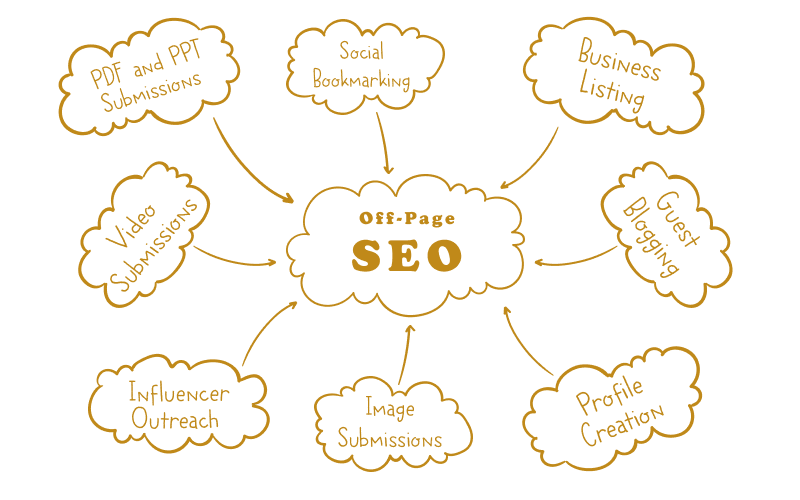
Acquiring backlinks from reputable websites is crucial for establishing authority and credibility. Focus on creating valuable content that others want to link to. Guest posting, partnerships, and outreach can help you earn high-quality backlinks, positively impacting your site’s rankings.
10. Utilize Alt Text for Images
Adding descriptive alt text to images improves accessibility and helps search engines understand the content. Alt text should accurately describe the image while incorporating relevant keywords. This practice enhances the potential for ranking in image searches and improves overall SEO.
11. Create a Sitemap
A sitemap is a blueprint of your website that helps search engines crawl and index your pages effectively. Create an XML sitemap and submit it to search engines like Google. This ensures that all your content is discoverable, which can improve search visibility.
12. Monitor and Analyze Performance
Regularly monitoring your website’s performance is essential for optimizing your SEO strategy. Use tools like Google Analytics and Search Console to track organic traffic, user behavior, and keyword rankings. Analyzing these metrics helps identify areas for improvement and guides future content creation.
13. Update Content Regularly
Keeping your content fresh is vital for maintaining rankings. Regularly update older posts with new information, insights, or statistics. Search engines favor updated content, and refreshing your site helps ensure that users receive the most accurate and relevant information.
14. Utilize Schema Markup
Schema markup enhances search engine understanding of your content by providing additional context. Implementing structured data can lead to rich snippets in search results, increasing visibility and click-through rates. Use schema to mark up reviews, events, and other relevant information to improve rankings.
15. Focus on User Experience
Prioritizing user experience is essential for retaining visitors and reducing bounce rates. Ensure easy navigation, clear calls to action, and valuable content that meets user needs. A positive user experience leads to higher engagement, which search engines reward with better rankings.
Final Thoughts on the SEO Best Practices
Implementing these SEO best practices can significantly enhance your website’s visibility and rankings in search engine results. By focusing on quality content, optimization techniques, and user experience, you can drive organic traffic and achieve your digital marketing goals. Start applying these tips today and watch your website climb the search engine rankings!
About the Author
The author has extensive experience in the web design industry, having worked with numerous clients over the years. Visit his blog for valuable insights into web design, SEO, and various aspects of digital marketing.


















 Web Design Trends | Graphic design trends